
The Bond Study
The Bond Study
James Bond is not one perfect man. He is a sixty-year study in tailoring, posture, restraint, and masculine presence.
Sources: James Bond 007, “The Films” · Encyclopædia Britannica, “List of James Bond Films” · Anthony Sinclair, “Recreating a Masterpiece: The Design” · Vanity Fair, “Tom Ford Is James Bond’s Designer of Choice in Skyfall”
James Bond enters a room before the plot does.
The lesson begins before the first line is spoken. Bond teaches men how to be seen. The suit matters, but the suit alone never carries the man. The walk matters. The watch matters. The way he waits at a bar matters. The way he treats silence as a weapon matters even more.
That is why Bond remains useful. He gives the aspiring gentleman a visual education in presence. He shows what to wear when the room asks for ceremony, what to drive when arrival has meaning, and how to move when everyone else is trying too hard.
The official Bond film line begins with Dr. No in 1962 and runs through No Time To Die in 2021. Across that span, the character became something larger than espionage. Bond became a living archive of how men wanted to look powerful, elegant, dangerous, romantic, and in control.
The perfect Bond does not exist. That is the pleasure of the study.
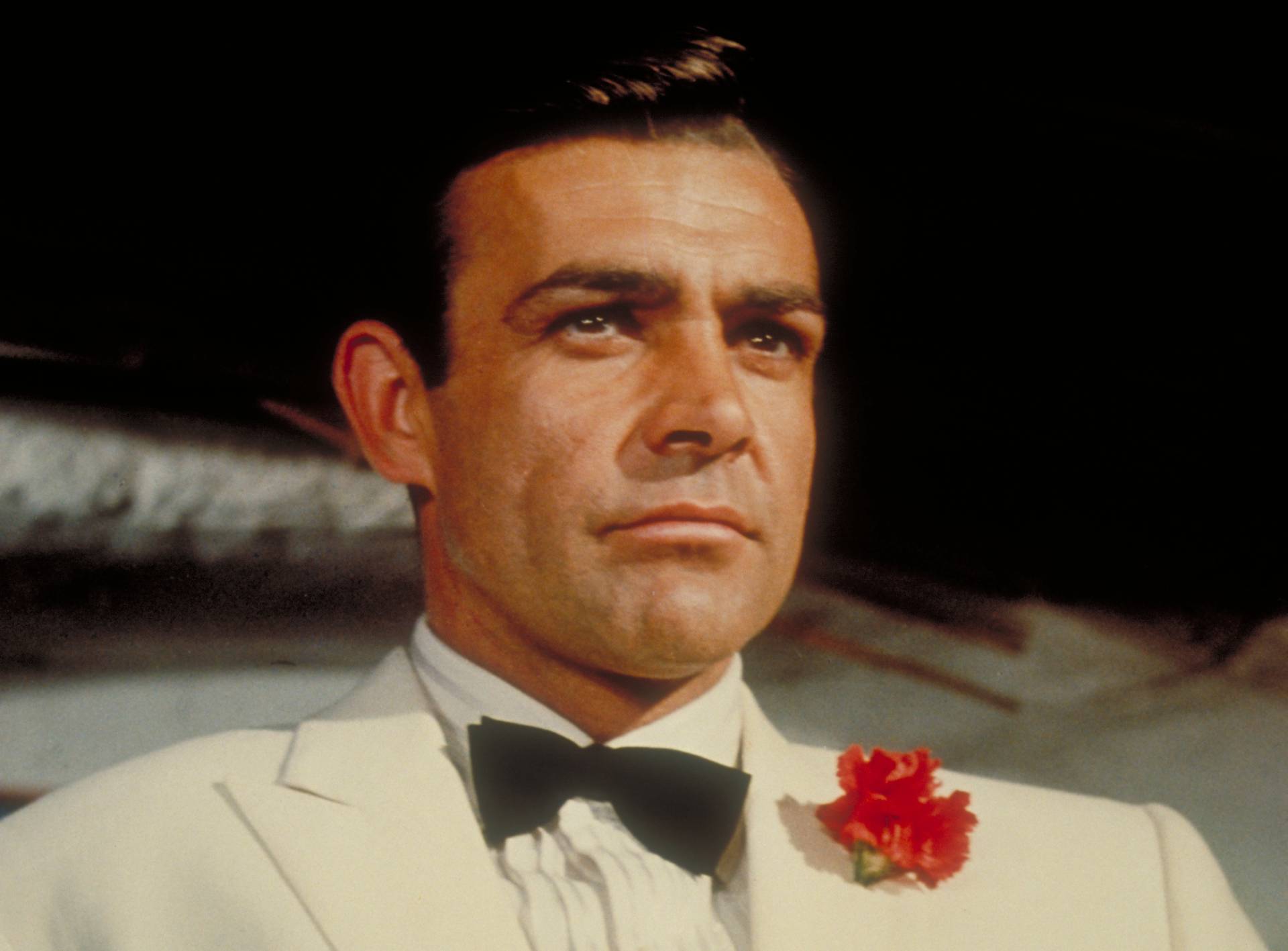
Sean Connery gives the foundation. His Bond teaches the first rule: the clothes should make the man look ready, never decorated. Anthony Sinclair’s Conduit Cut gave Connery a clean Mayfair silhouette with natural shoulders, restrained lines, and just enough authority. The aspiring gentleman should take the principle, not the costume. Choose tailoring that gives shape without shouting. A navy suit, a pale shirt, a dark knitted tie, and polished black shoes still carry more force than most men understand.
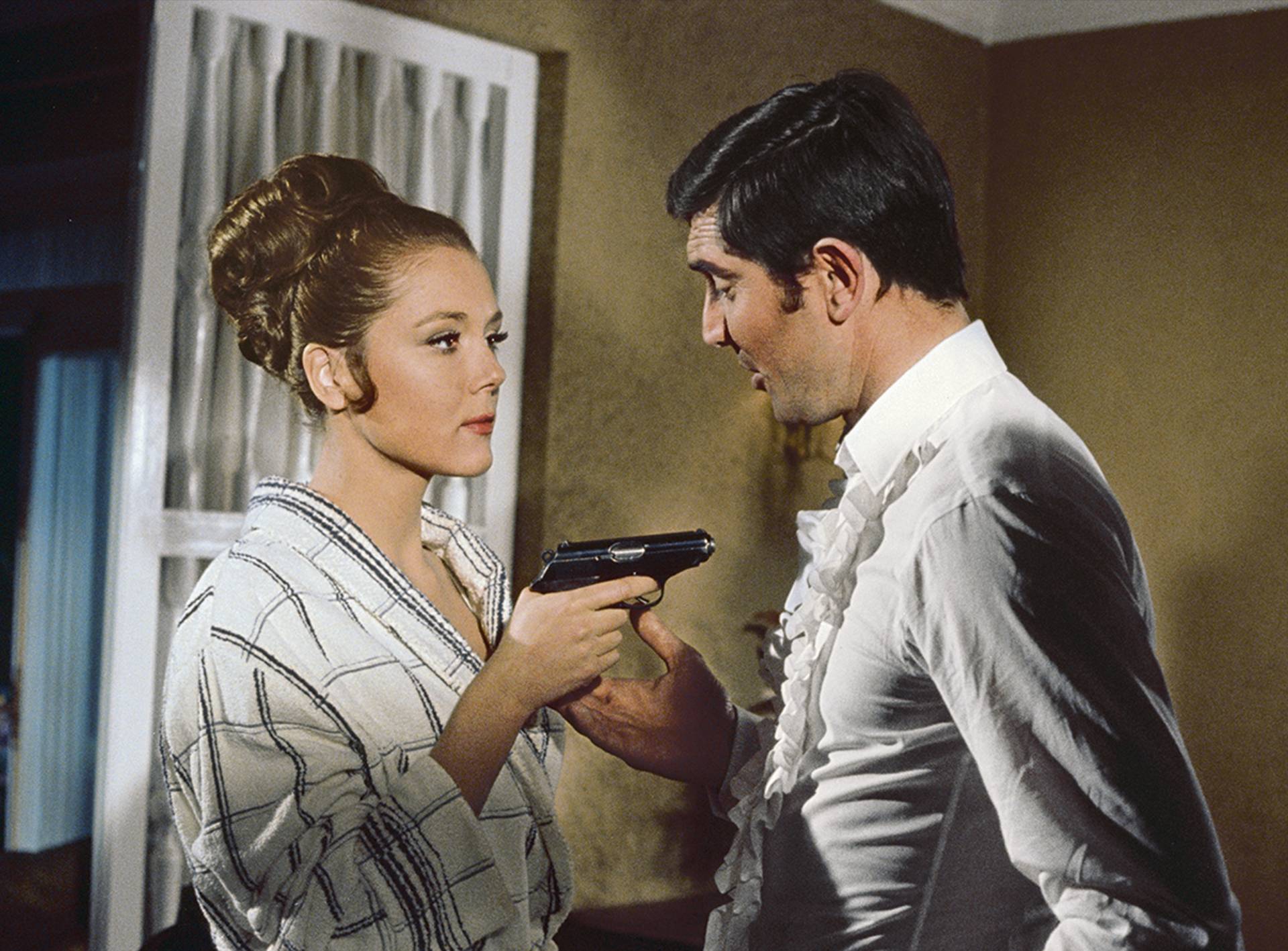
George Lazenby gives the romantic lesson. On Her Majesty’s Secret Service is the Bond film for men who forget that elegance needs vulnerability. Lazenby’s Bond wears tailoring, ski clothes, formalwear, and a kilt with an ease that feels unusually human. He reminds the gentleman that polish without feeling becomes performance. The useful lesson is simple: dress beautifully, but leave room for warmth.
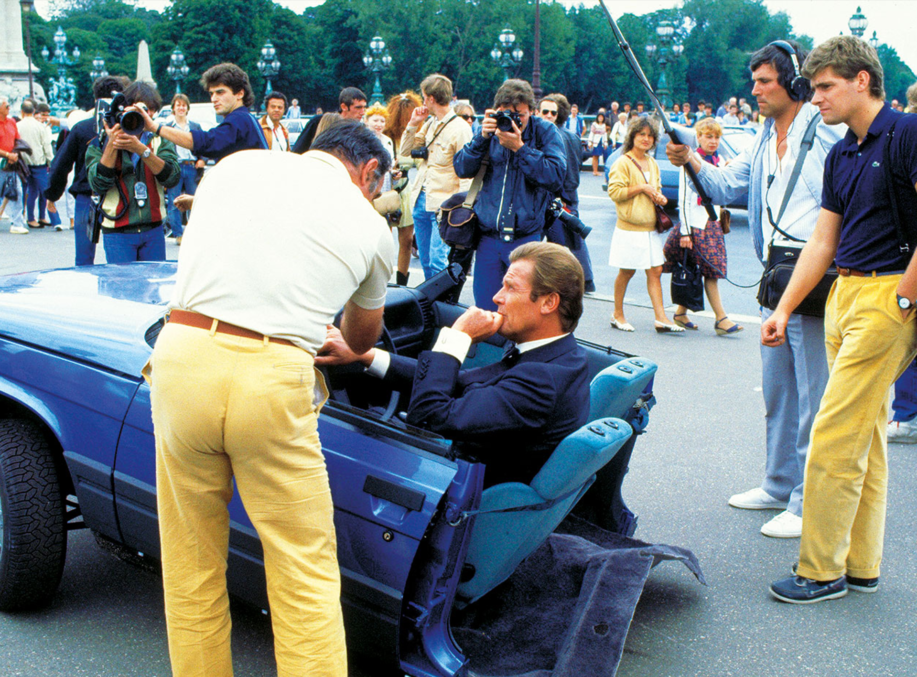
Roger Moore gives charm. His Bond belongs to a smoother age, where the raised eyebrow became almost as famous as the Walther. The safari jackets, dinner jackets, blazers, and wider tailoring reflect their decades clearly. Some pieces remain brilliant. Some belong to their moment. The modern gentleman should borrow Moore’s ease, not every collar. He should learn how to enjoy clothing without becoming trapped by it.
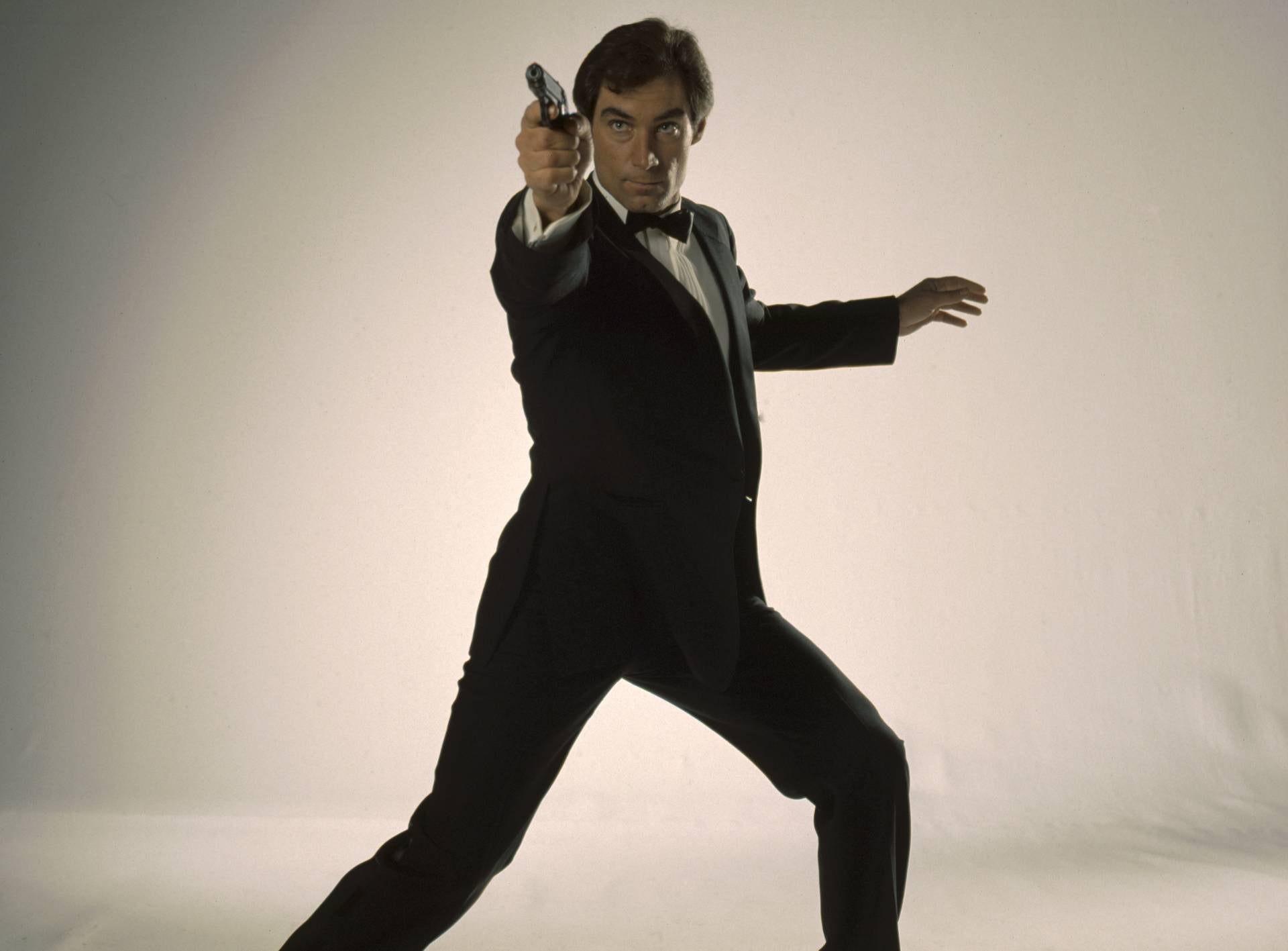
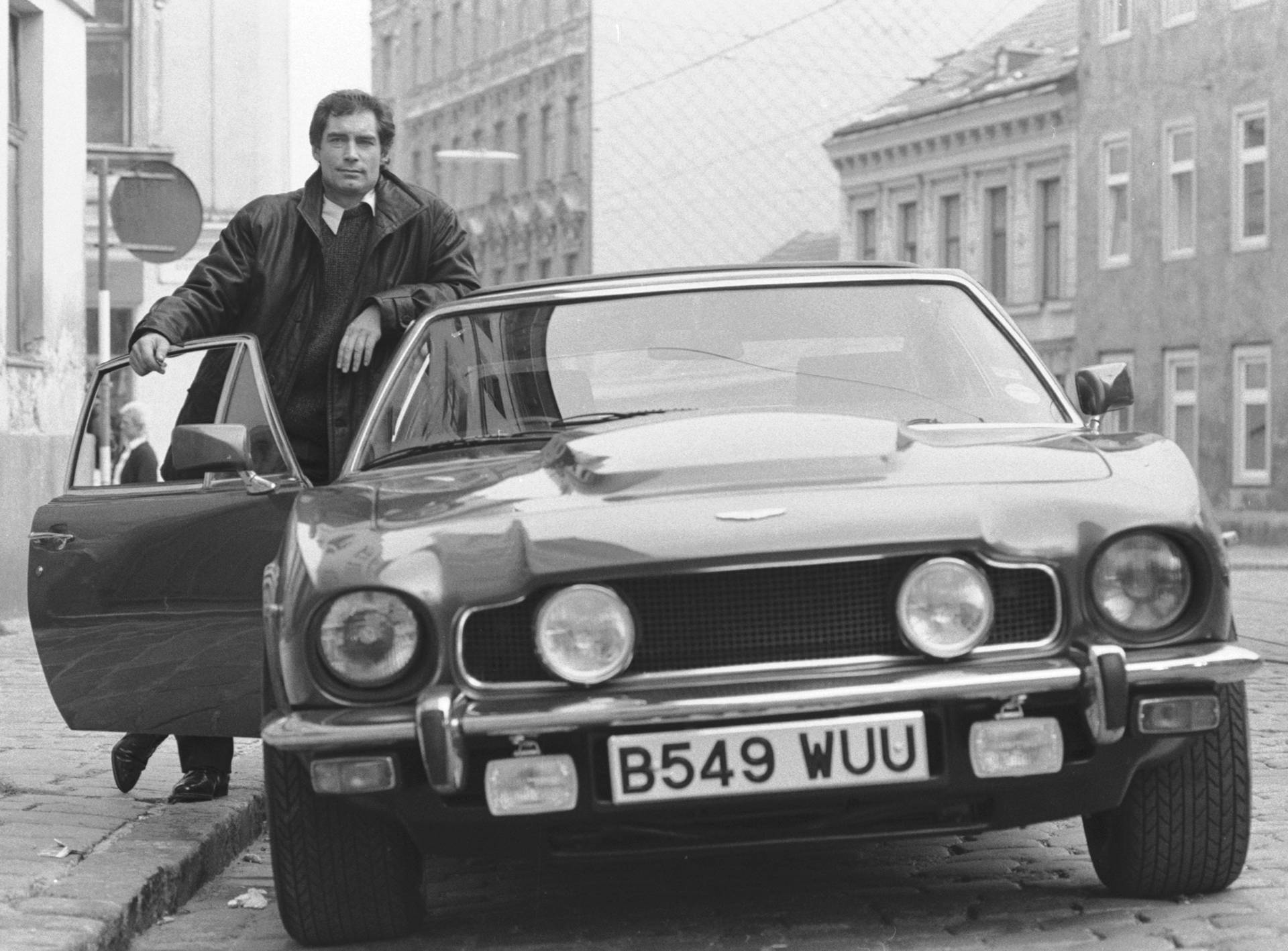
Timothy Dalton gives severity. His Bond has less decoration and more pressure. He feels closer to Fleming’s harder intelligence, and that matters. Dalton teaches that style can become sharper when the man stops performing. A dark suit, a serious coat, a clean shirt, and a controlled expression can say more than a room full of accessories.
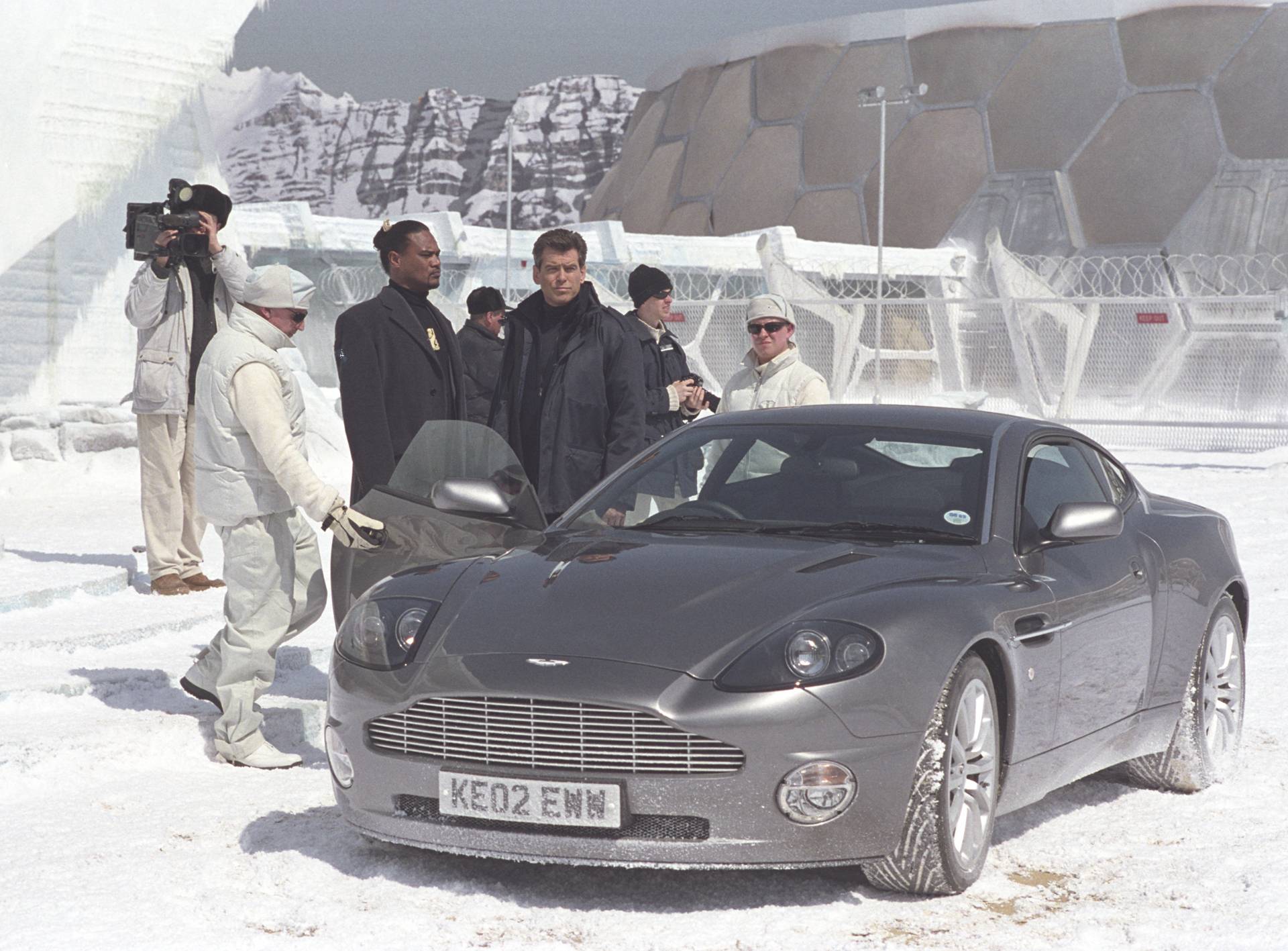
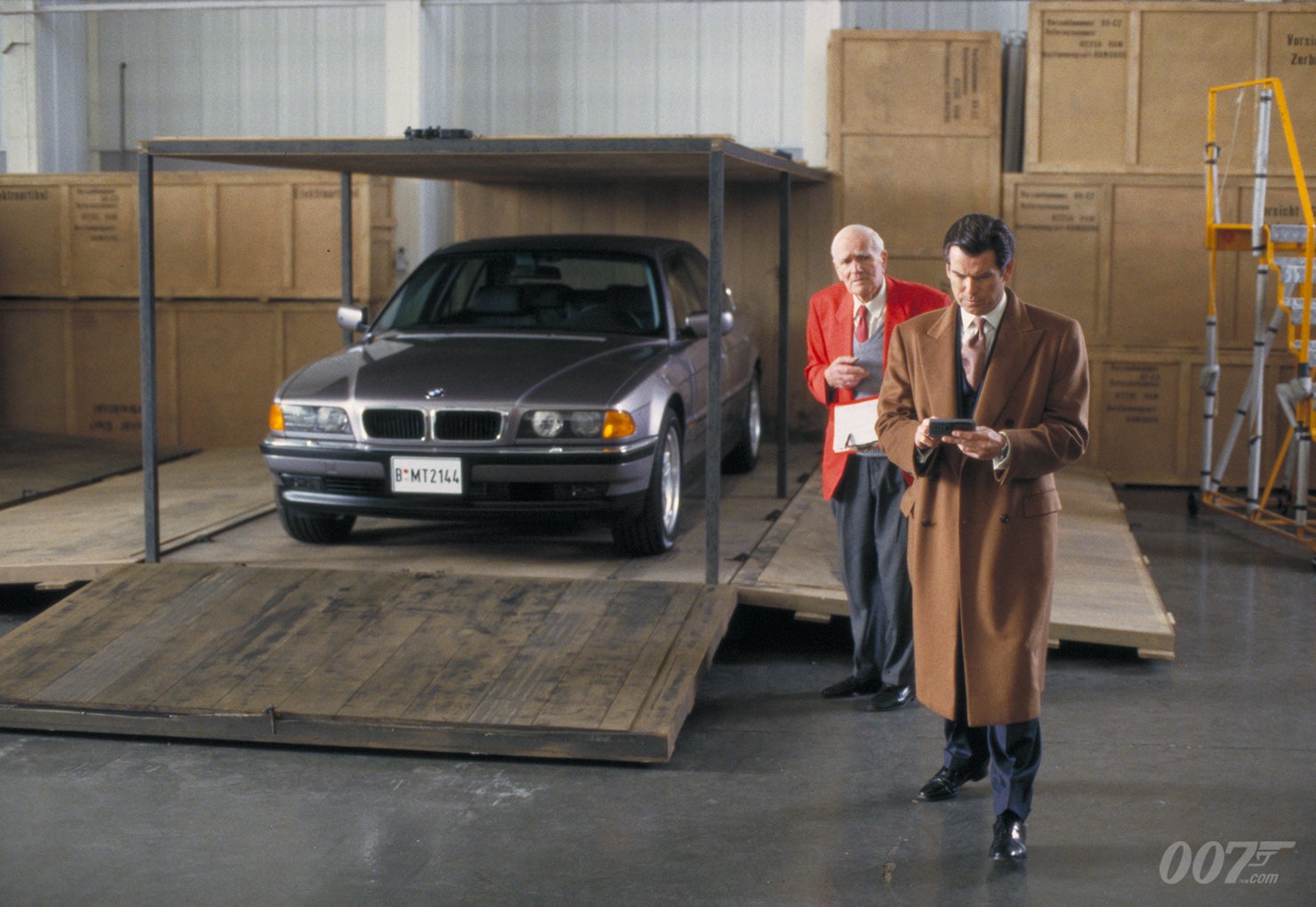
Pierce Brosnan gives polish. His Brioni years made Bond sleek, international, and unmistakably 1990s. The lesson here is presentation. Brosnan understood the airport, the hotel lobby, the casino, and the boardroom as one continuous stage. The aspiring gentleman can learn from that discipline. Travel clothes should work. Evening clothes should fit. Grooming should appear considered without looking freshly assembled five minutes before the reservation.
Daniel Craig gives the body. His Bond changed the center of the character from charm to impact. The Tom Ford suits, the knit polos, the suede jackets, the pea coats, and the swimwear all served a more physical man. Craig teaches that a gentleman’s wardrobe must match his life. If the body has discipline, the clothes can be simpler. Fitness becomes part of style because posture is the first garment.
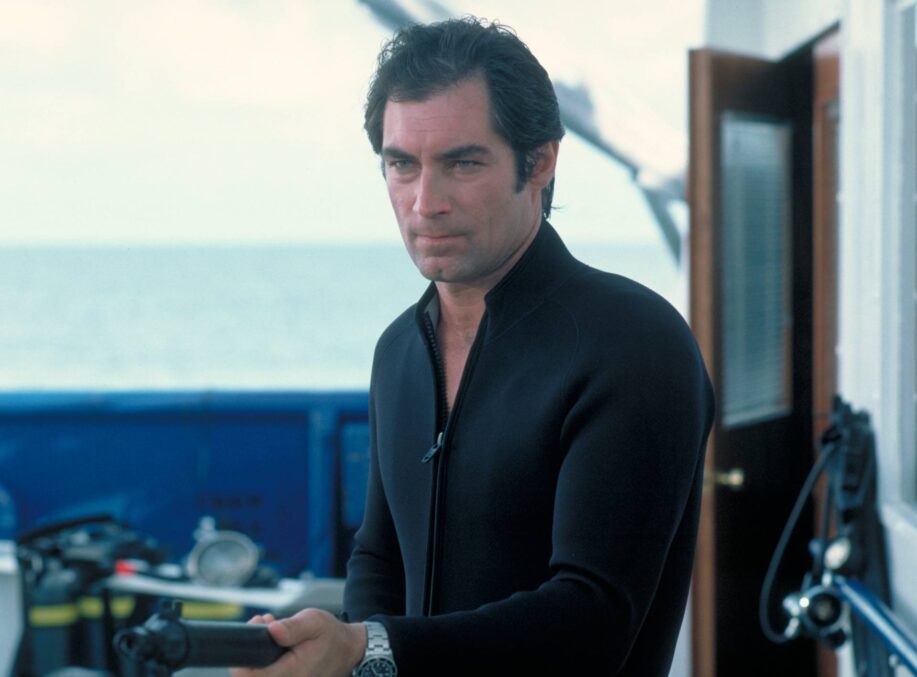
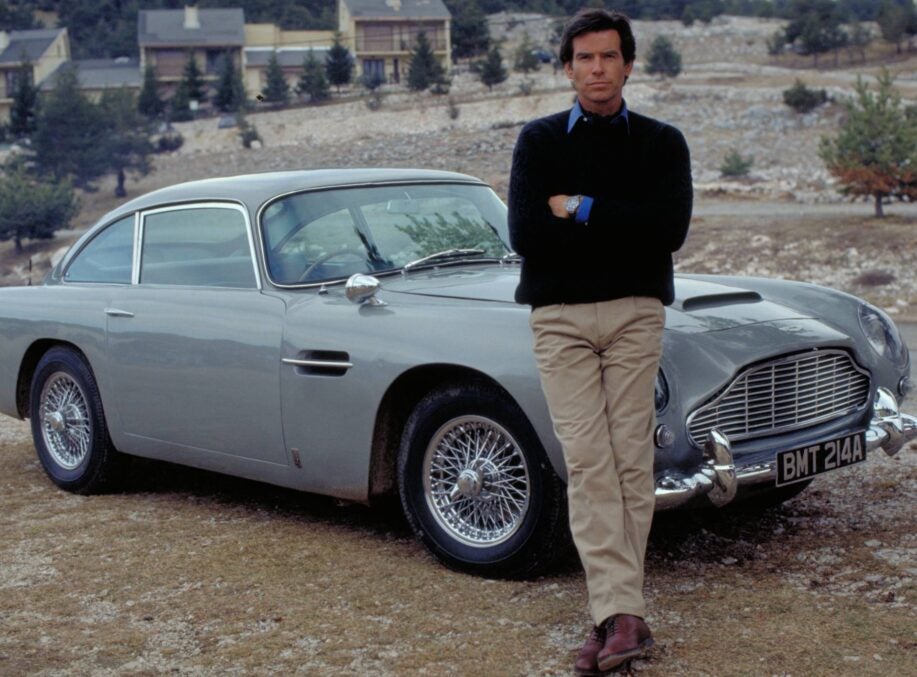
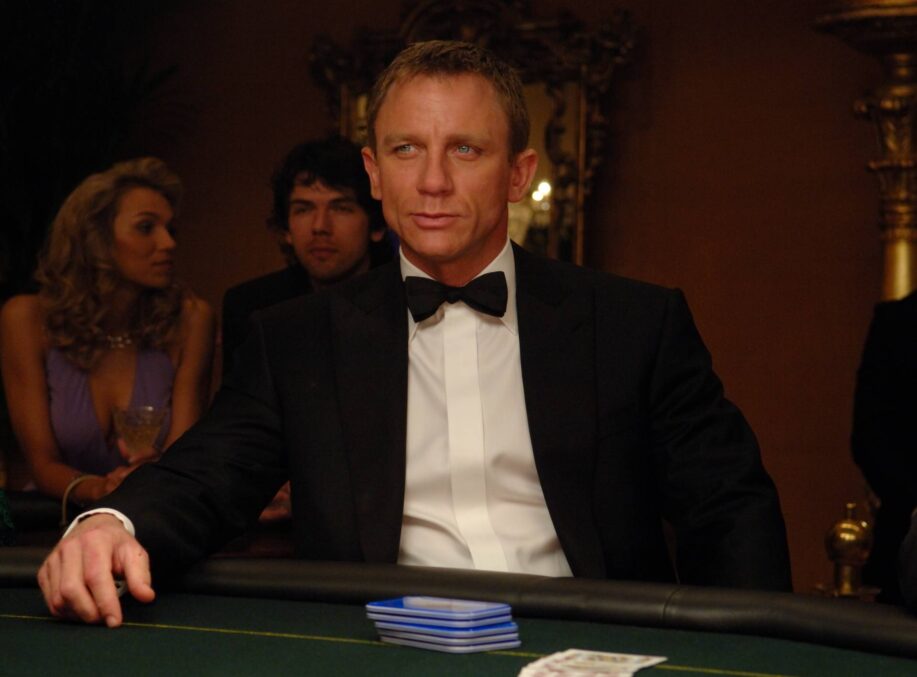
So how does a man become more Bond without becoming ridiculous? He begins with restraint. He buys fewer things and makes them better. He owns a dark suit that fits. He owns a dinner jacket only when his life gives him a reason to wear one. He keeps his shoes clean. He wears a watch with proportion, not volume. He learns when sunglasses add mystery and when they look like insecurity.
He also studies context. Bond never dresses in isolation. The clothes answer the scene. A linen shirt belongs in heat. A rollneck belongs in cold weather and quiet rooms. A navy blazer belongs where a suit feels too formal and a shirt alone feels unfinished. Eveningwear belongs when the night has ceremony. The gentleman does not ask whether an item is impressive. He asks whether it belongs.
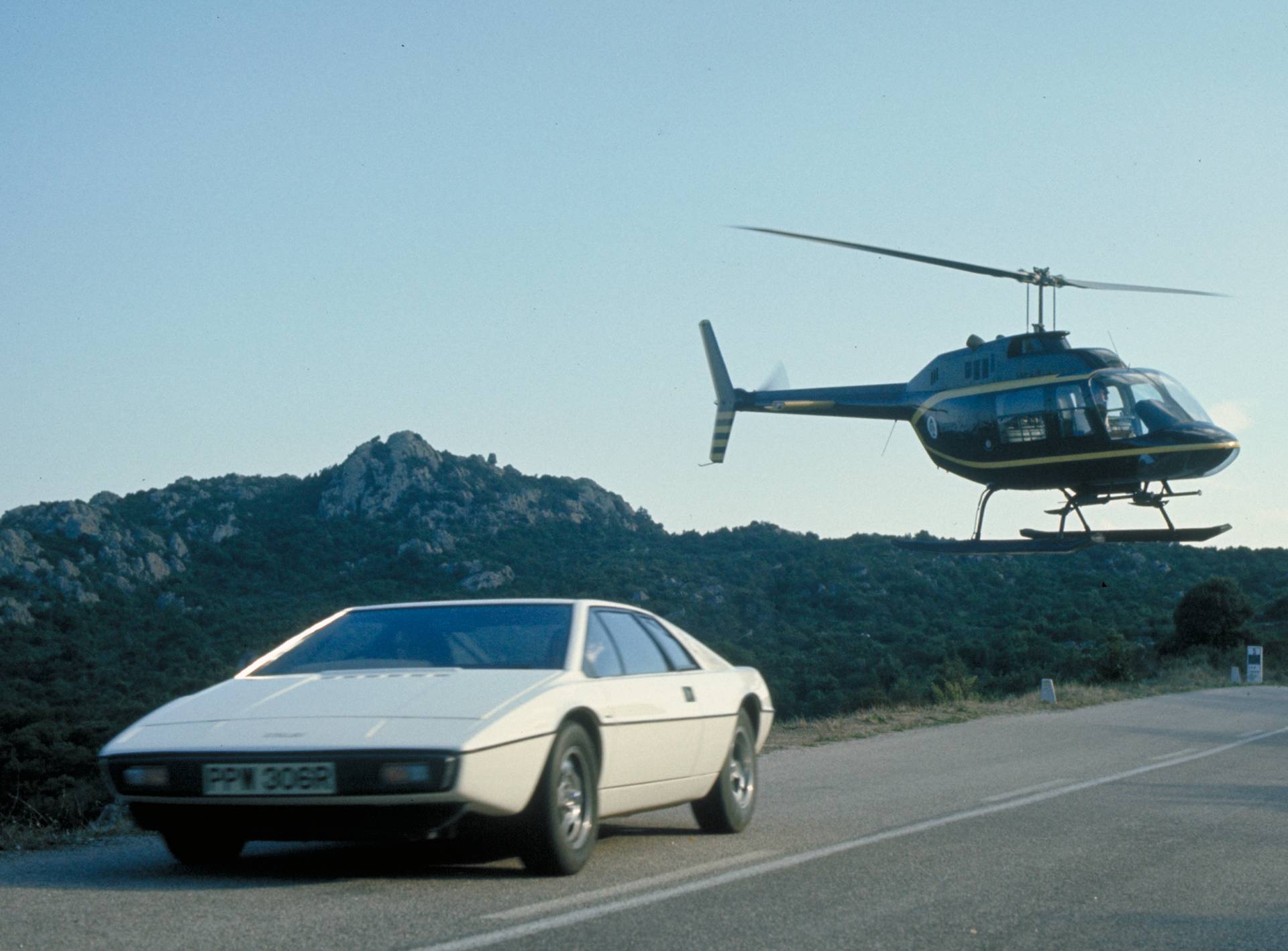
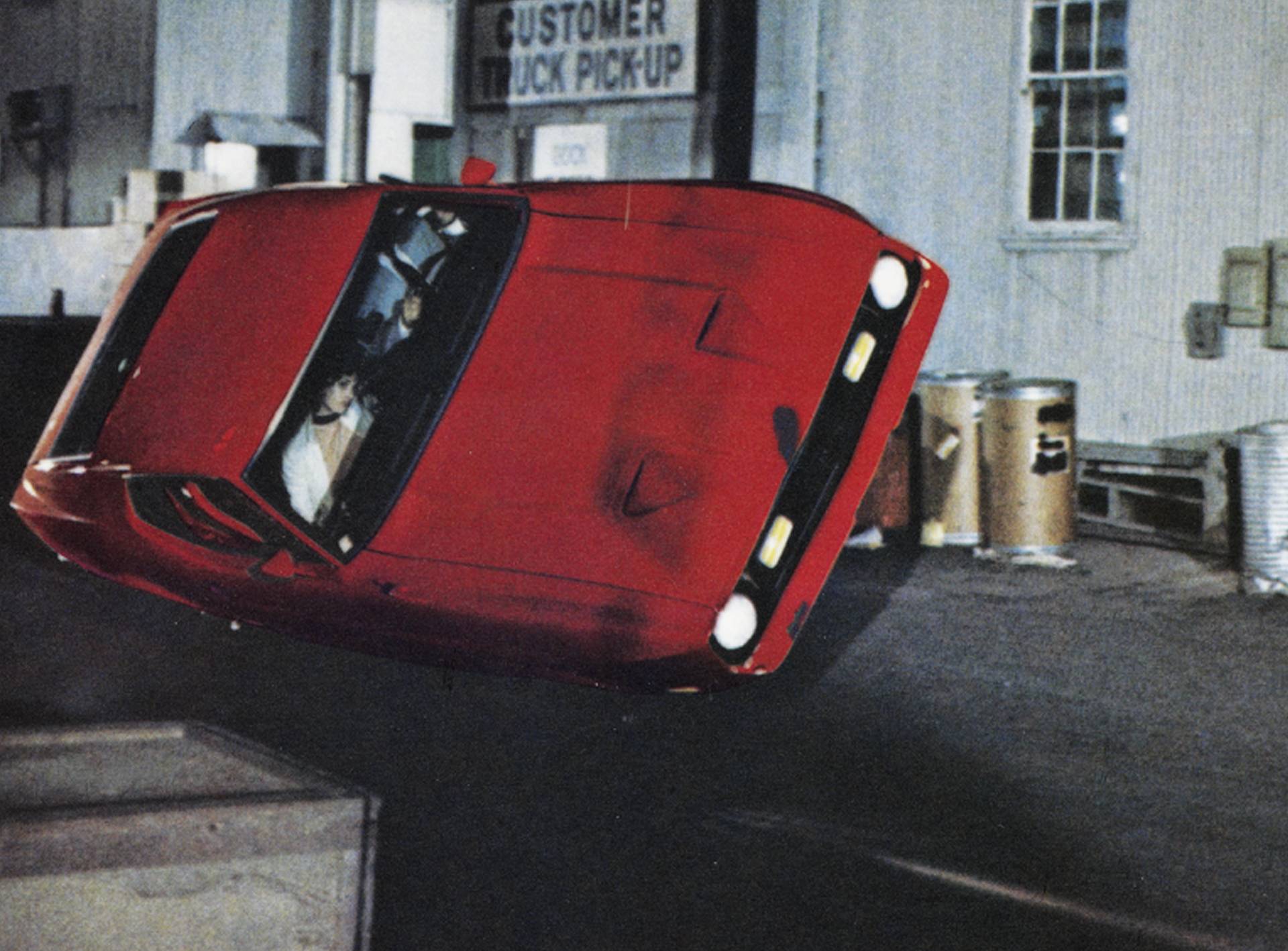
The Aston Martin teaches the same lesson. The car matters because arrival matters. Bond’s cars are never just machines. They are extensions of pace, control, danger, and taste. The modern gentleman may never own a DB5. He can still learn the rule. Keep the car clean. Drive with composure. Arrive without chaos. Never let the machine make a louder argument than the man.
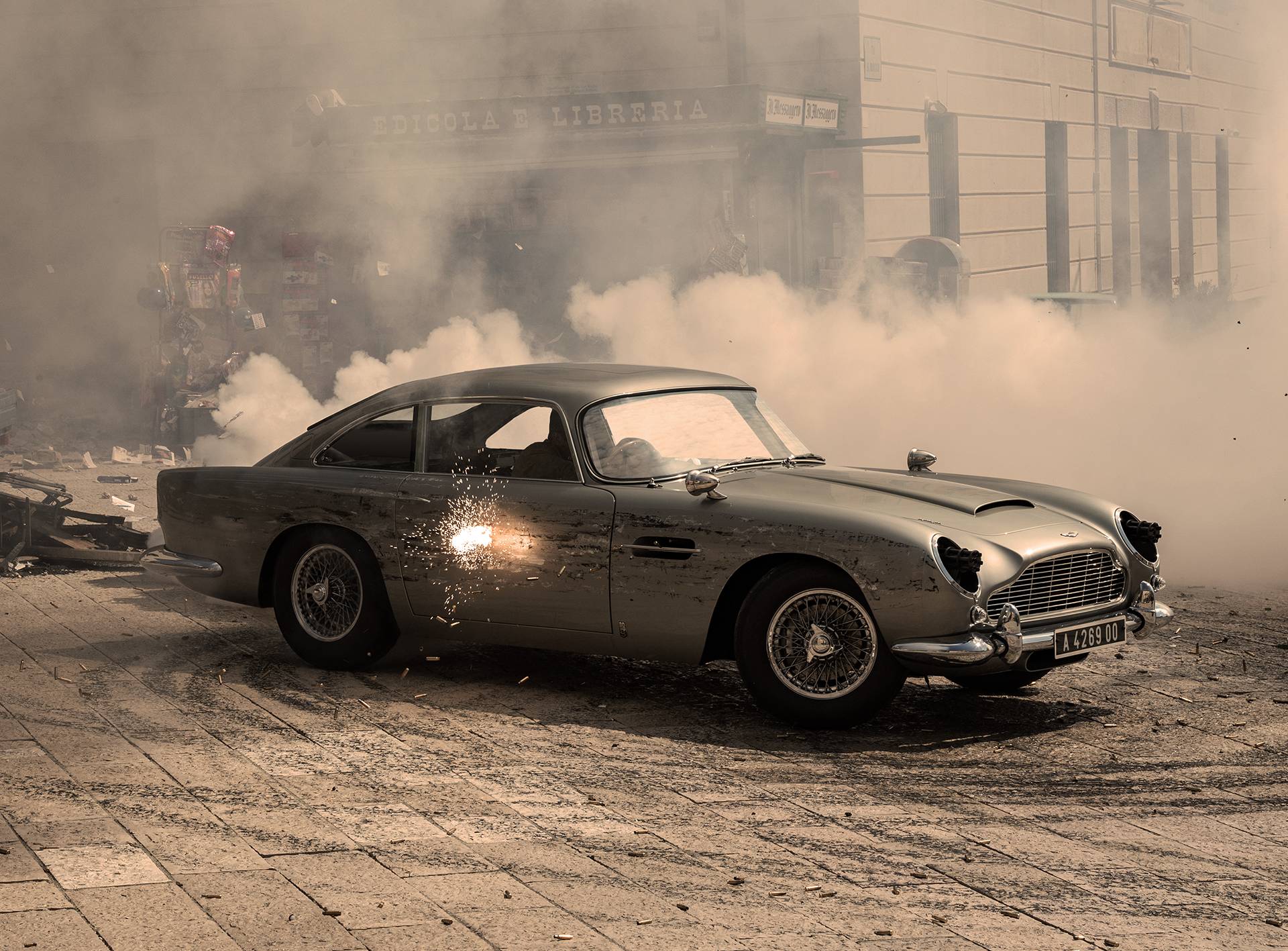

The drink teaches ritual. Bond’s famous martini is less important than the fact that he has a ritual at all. The gentleman does not need to copy the order. He needs to understand the point. Ritual gives rhythm to a life. It can be coffee, tailoring, shaving, reading, a cigar, or the way he prepares before dinner. Repetition becomes style when it is chosen carefully.
The great secret is that Bond is not one man to imitate. He is a wardrobe of lessons. Connery gives proportion. Lazenby gives romance. Moore gives charm. Dalton gives seriousness. Brosnan gives polish. Craig gives discipline. The aspiring gentleman should build from all of them and obey none of them completely.
The best Bond is the one who teaches the right lesson for the right man. Connery remains the purest silhouette. Moore remains the great lesson in ease. Brosnan remains the most useful model for polished travel. Craig remains the strongest argument for discipline. Dalton remains the reminder that danger does not need decoration. Lazenby remains the surprise that style becomes memorable when it has feeling.
That is the MGA answer. There is no perfect Bond. There is a perfect use for each Bond.
Every Bond film is a time capsule of how men decided to be seen. The archive is valuable because it contains triumphs, risks, and a few warnings. It shows what happens when tailoring obeys proportion. It also shows what happens when fashion becomes too loud for the man wearing it.
The gentleman should leave Bond with practical instructions. Dress for the room. Move with economy. Keep one excellent dark suit. Learn eveningwear before buying loud accessories. Build a body that improves the clothes. Own less. Maintain more. Let silence work. Let the watch fit under the cuff. Let the car arrive clean. Let the drink be part of a ritual, not a performance.
Bond endures because he makes style feel inevitable. That is the real aspiration. The man should never look assembled from references. He should look as though the references finally found him.
The Gentleman Who Wants
the Full Picture
Every edition of Modern Gentleman Archive, delivered before the conversation starts.
SubscribeImages: 007.com / EON Productions — © Danjaq, LLC and Metro-Goldwyn-Mayer Studios Inc. Used for editorial commentary purposes. MGA has no commercial affiliation with EON Productions or the James Bond franchise.