
James J. Fox. The oldest cigar merchant in the world. An interview with Jimmy McGhee.
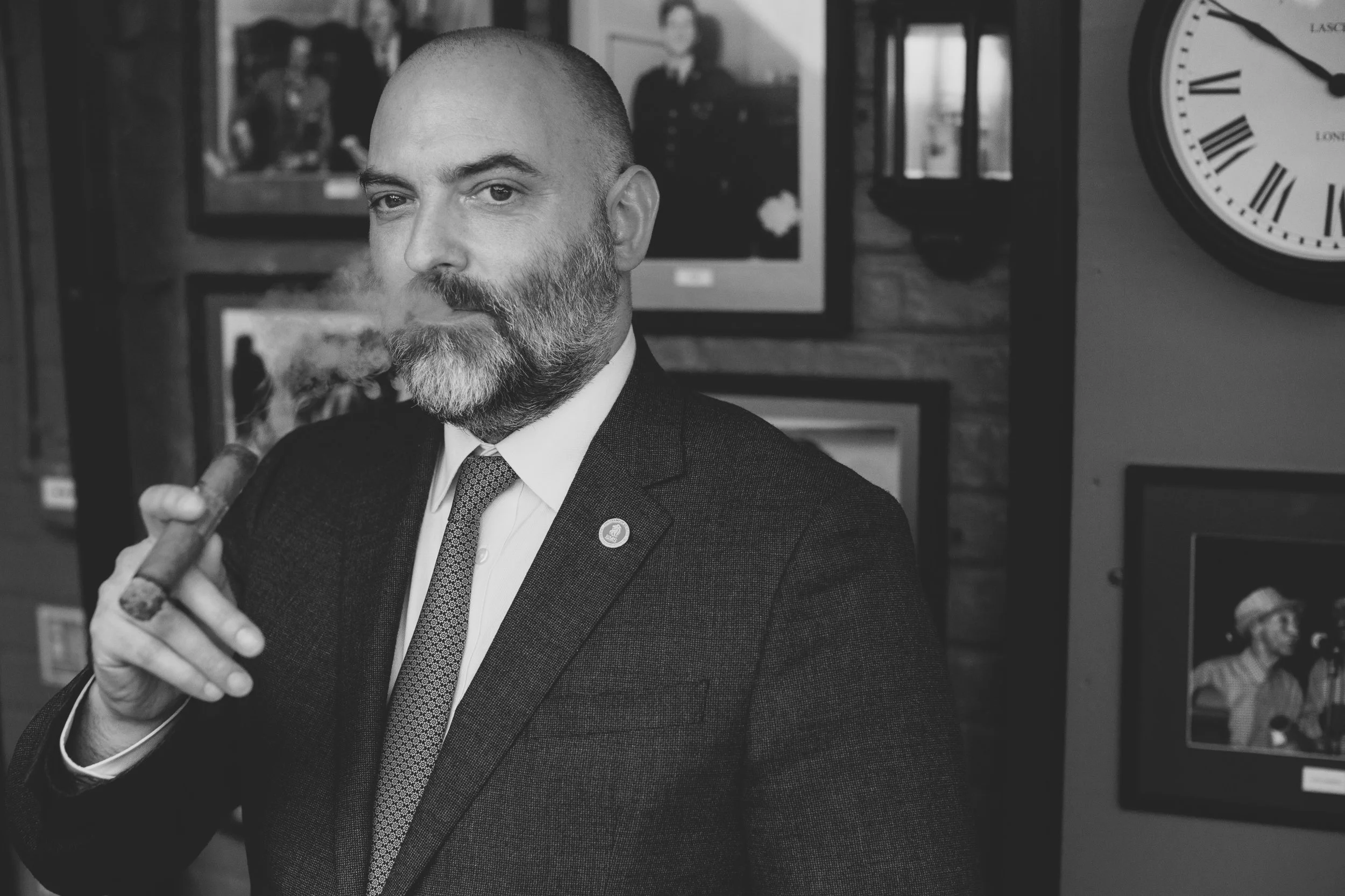
Courtesy of Mr. Jimmy McGhee
From Winston Churchill’s final orders to the rare privilege of lighting a cigar indoors in London, Jimmy McGhee reflects on why cigar culture still matters today.
Before you dive into the interview, let me take you to a street in London where the air still seems to carry the weight of centuries.
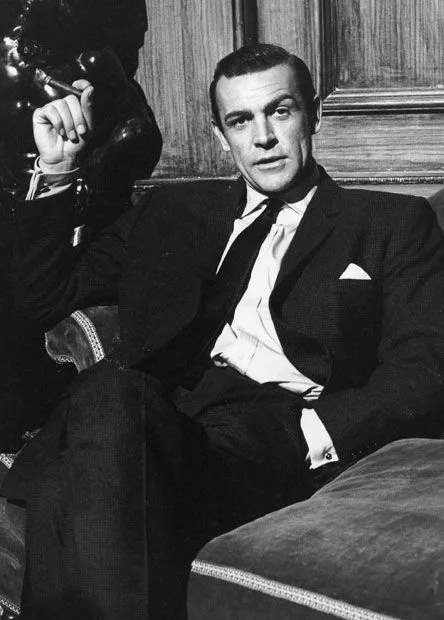
St James’s Street runs south from Piccadilly toward the Palace, lined with houses that have dressed, shod, poured for, and advised gentlemen since before the American Revolution. A few names matter here: Berry Bros. & Rudd has been selling wine at No. 3 since 1698. John Lobb has been making bespoke boots at No. 9 since 1866. Turnbull & Asser the house that made Churchill’s wartime siren suit and dressed every James Bond from Connery to Craig — has held its corner on nearby Jermyn Street since 1885. And at No. 19, behind a door long associated with one of London’s great cigar addresses, sits James J. Fox, custodian of a tradition that reaches back to Robert Lewis in 1787 and remains one of the most storied names in the cigar world.
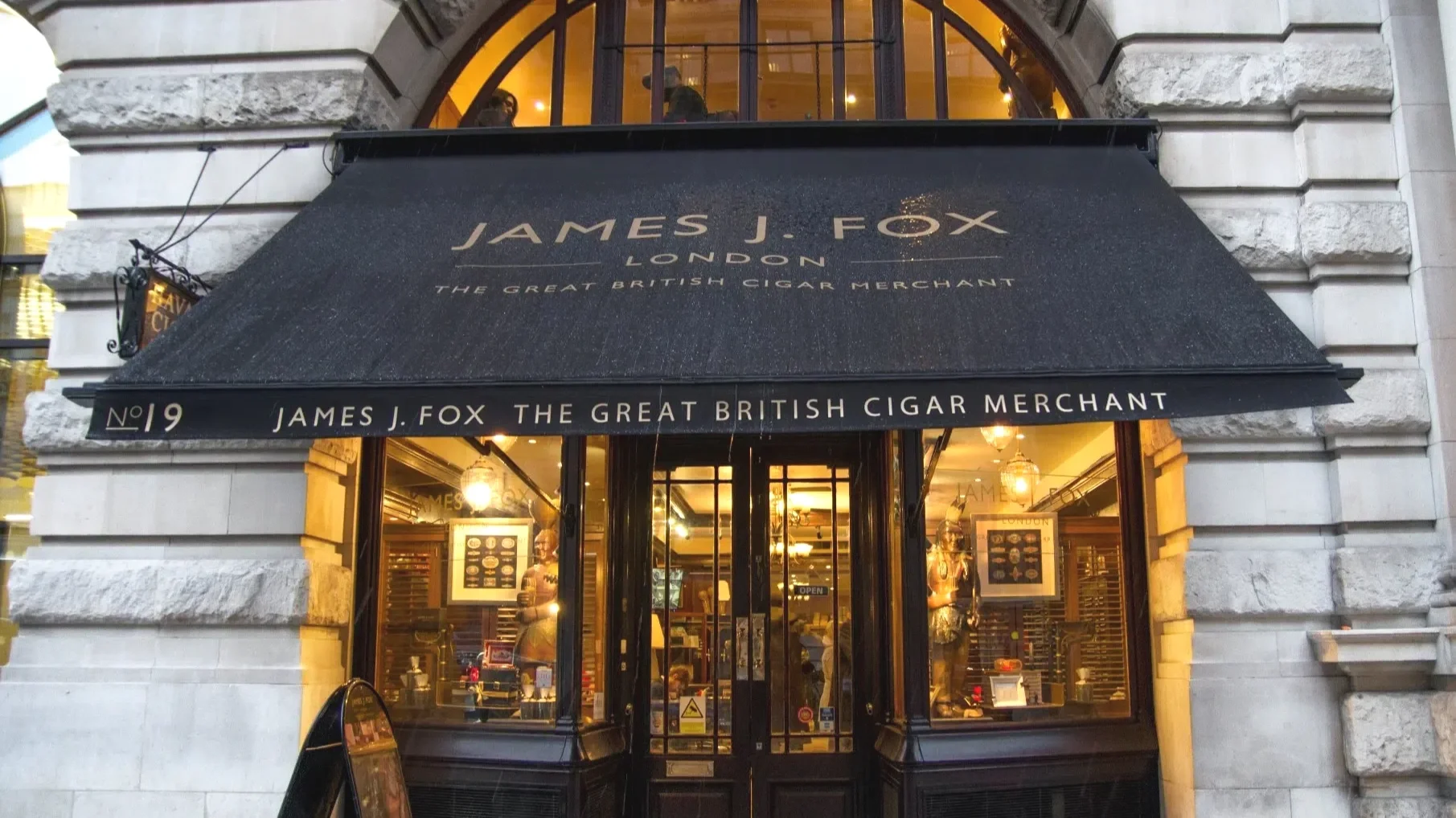

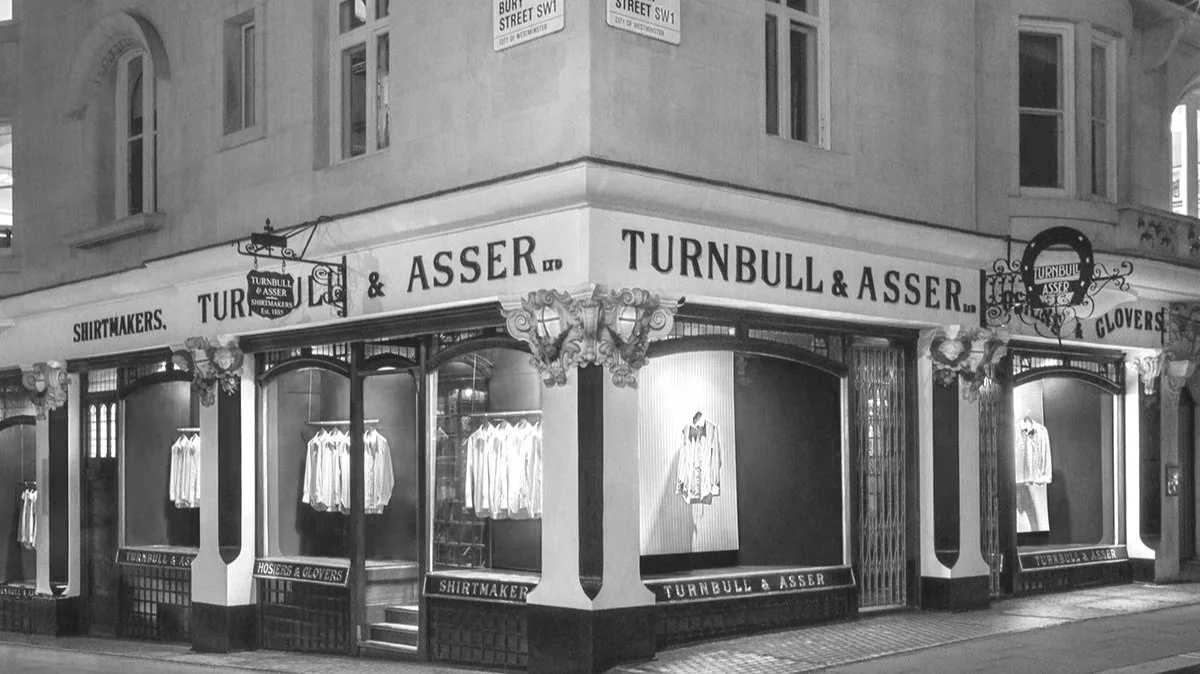
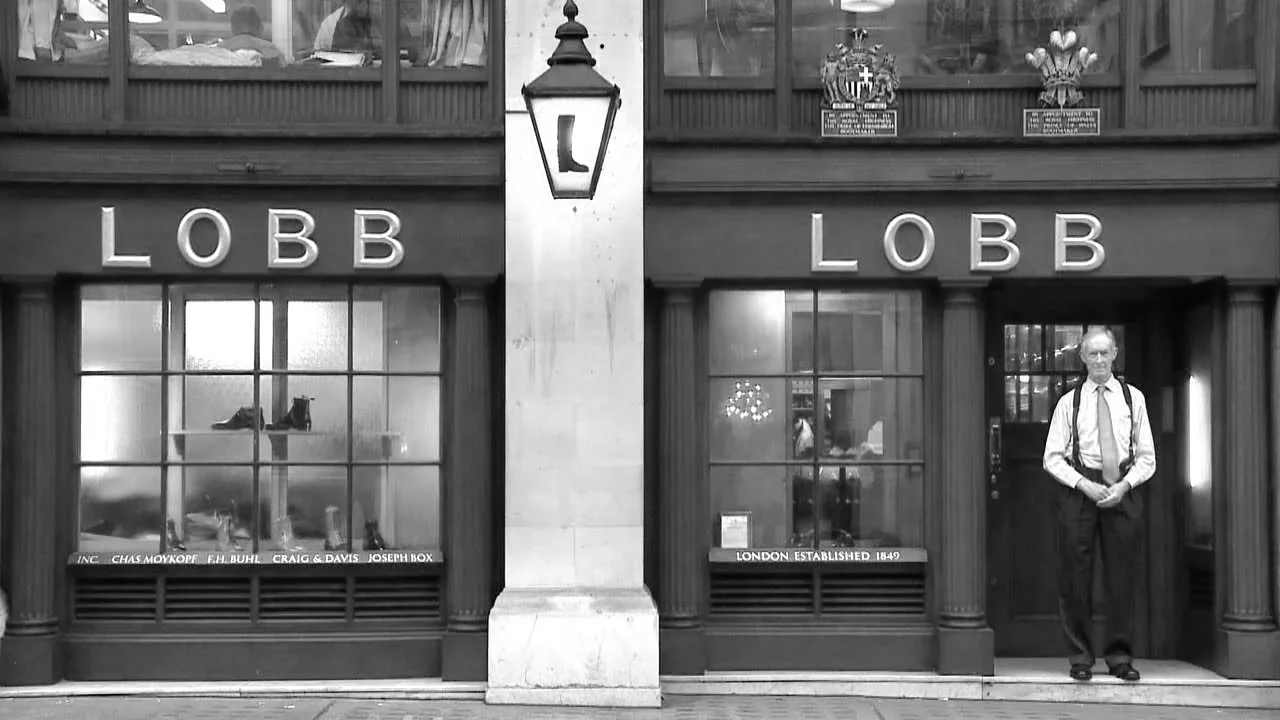
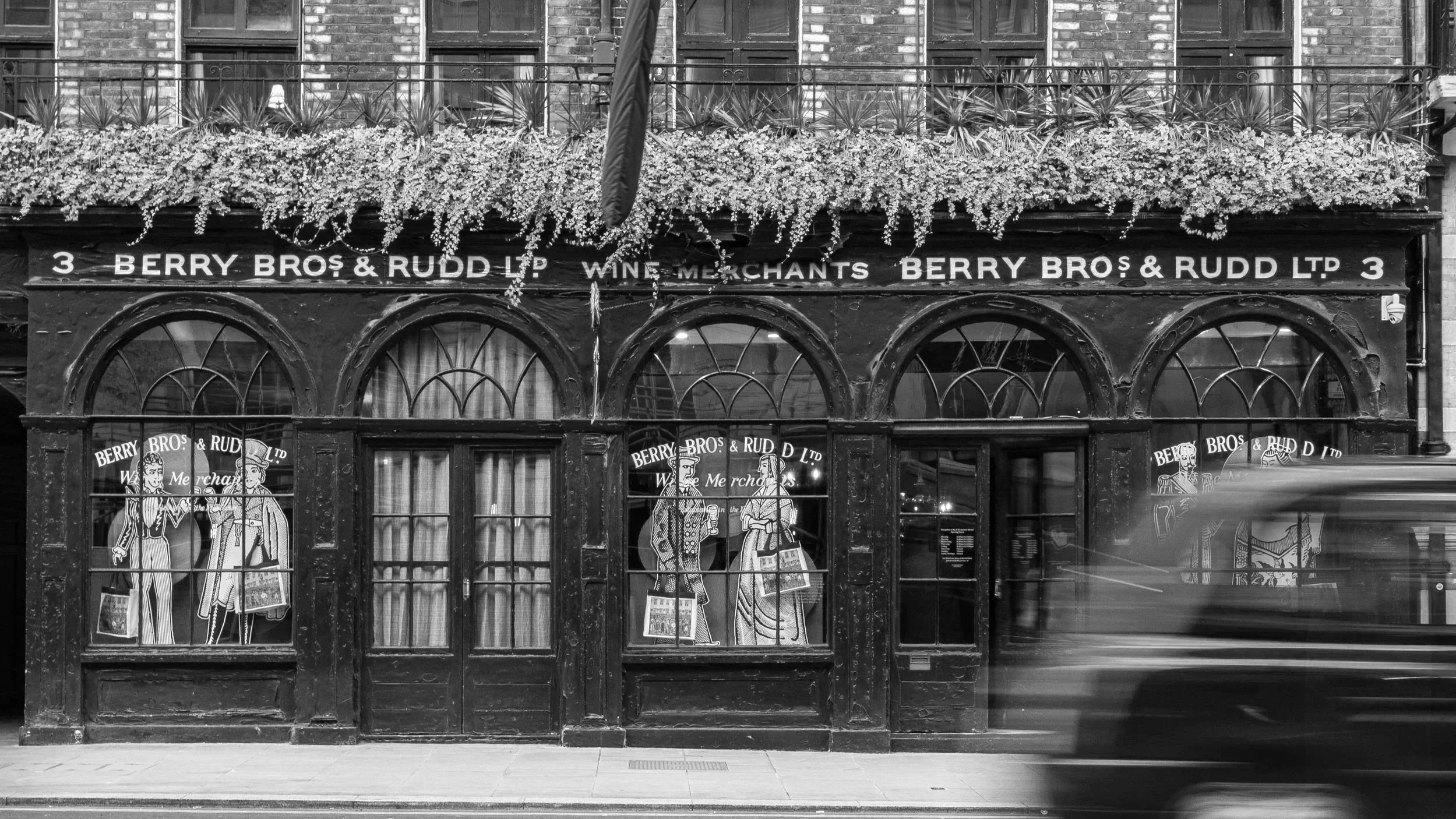
The place that has served kings, emperors, poets, and prime ministers for the better part of two and a half centuries.
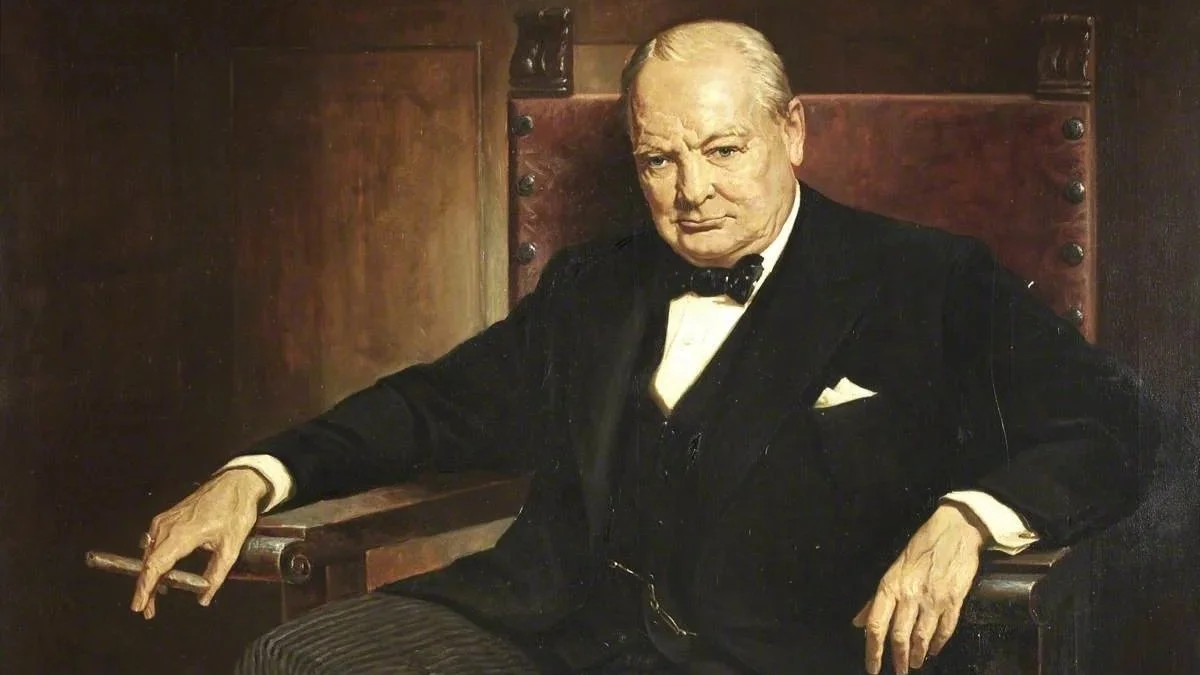
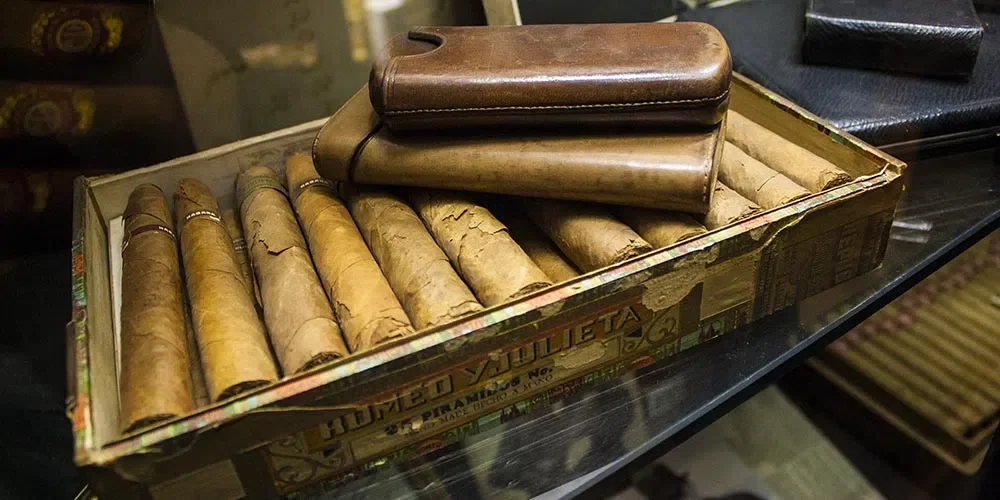
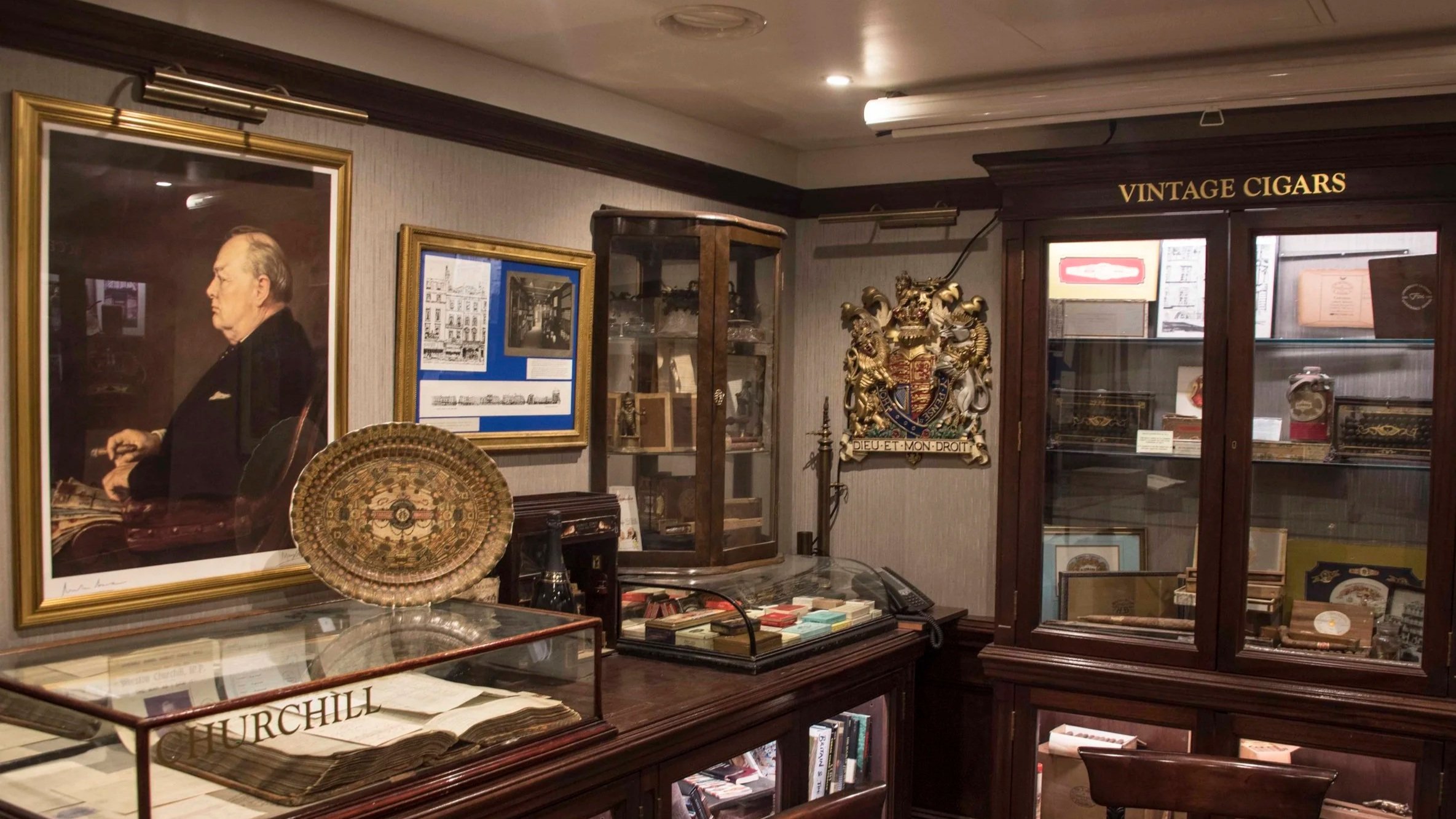
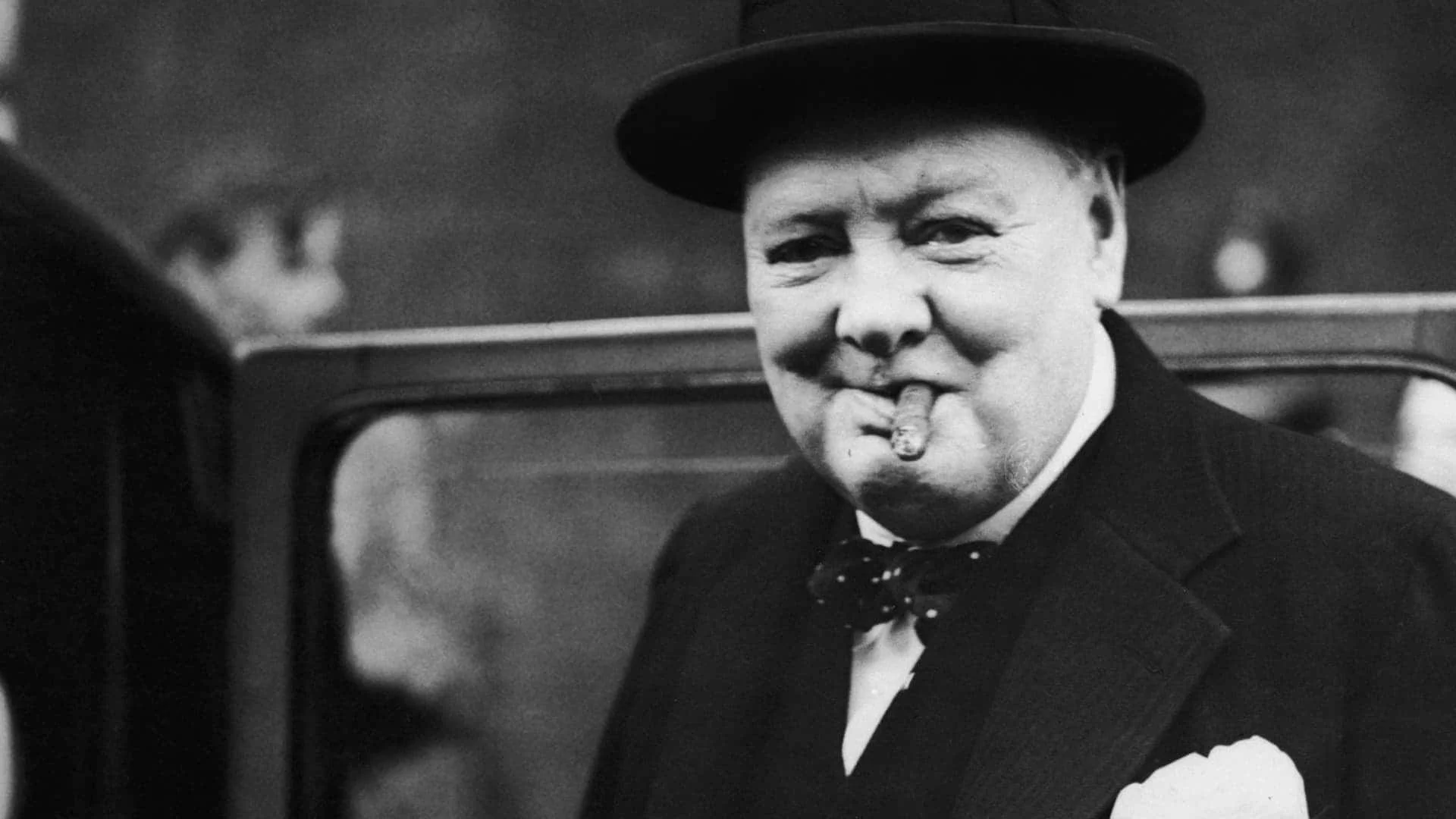
James J. Fox inherited the deeper history of 19 St James’s Street through Robert Lewis, the tobacconist founded there in 1787. A young Winston Churchill walked in on 9 August 1900, twenty-five years old and fresh from the Boer War, and made his first recorded purchase under his own name: fifty Bock Giraldas, a small Havana cigar of the period. He never really left. His account ledger, preserved in the museum downstairs, traces a remarkable sixty-four-year relationship with the house, from that first order in 1900 to his final recorded purchase on 23 December 1964, which included Romeo y Julieta cigars and among them: Epicure Grande and Alteza Grande along with St James’s No. 10, delivered to Chartwell just weeks before his death.
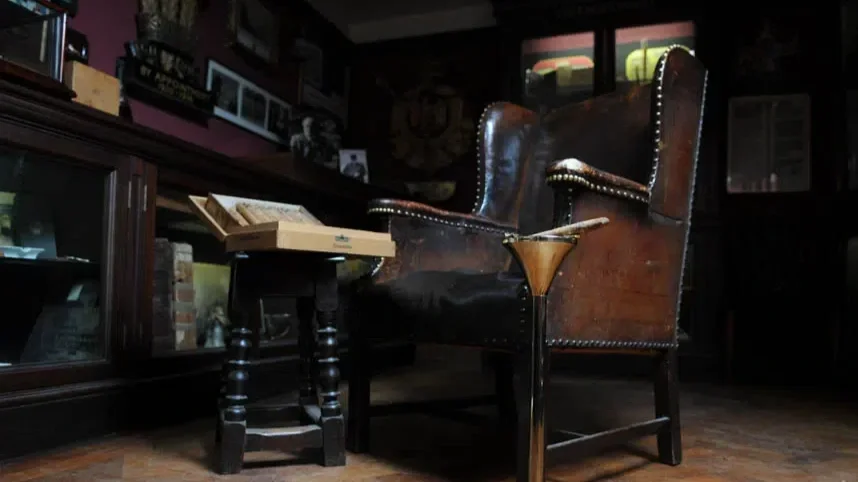
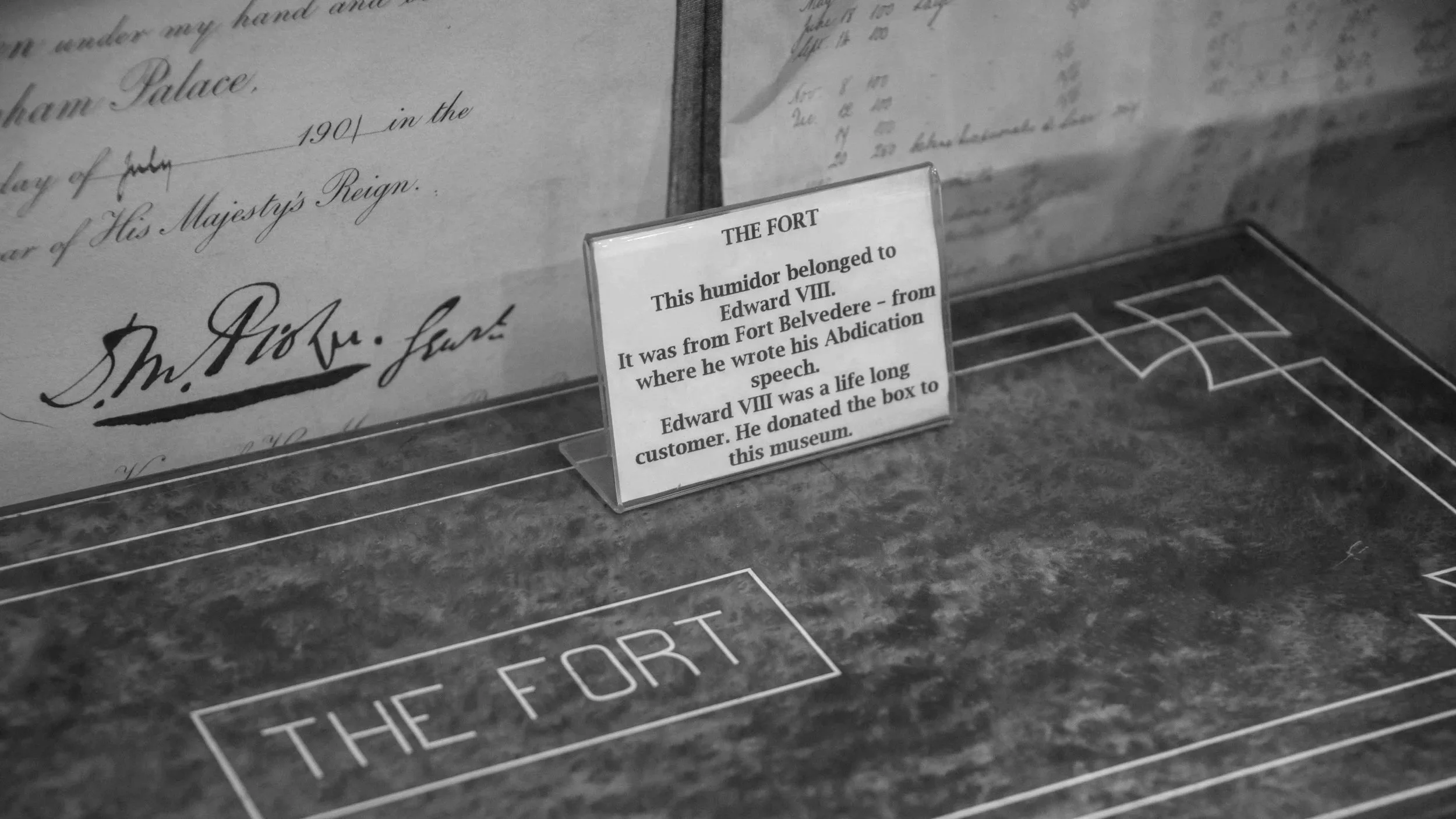
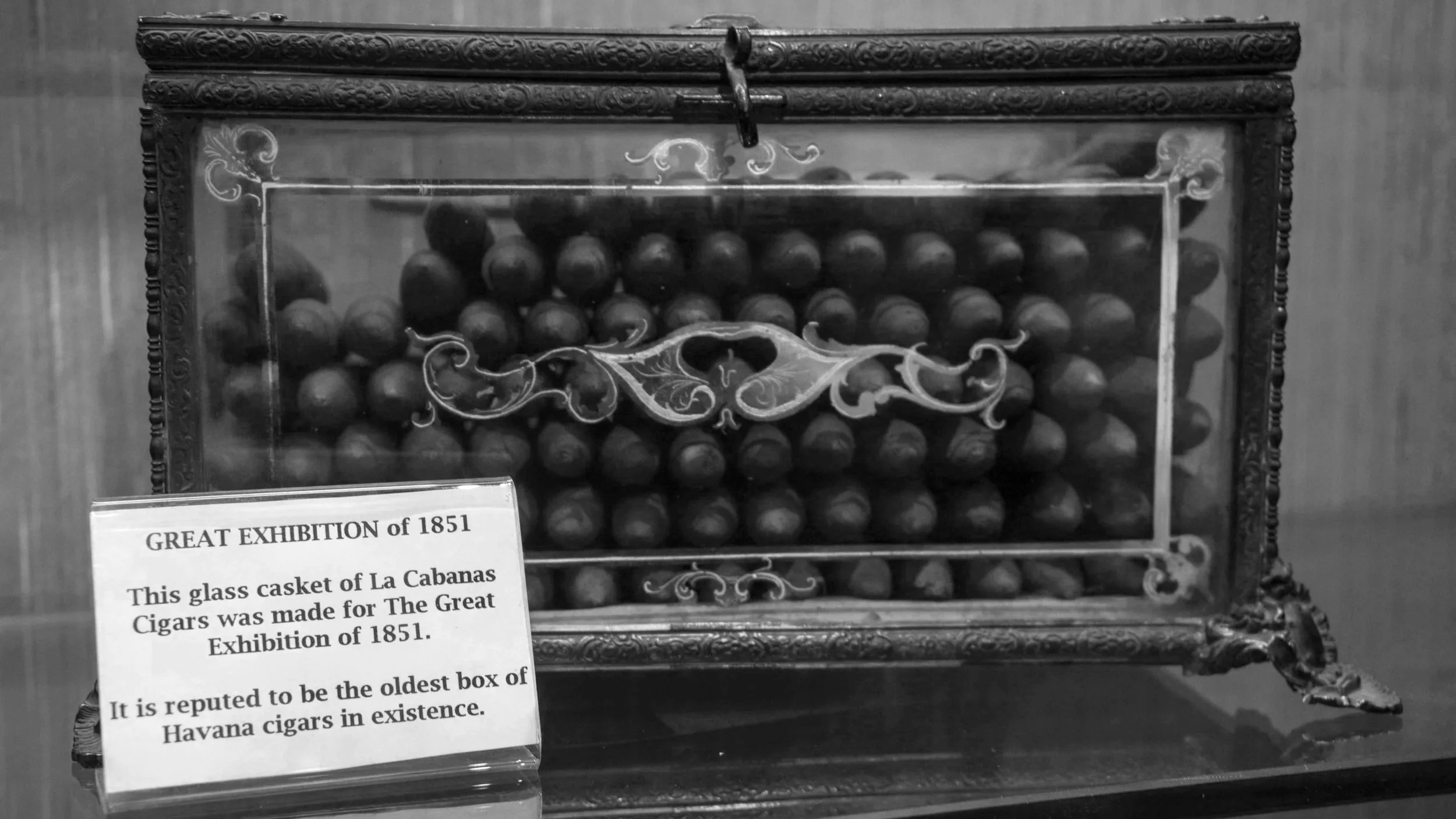
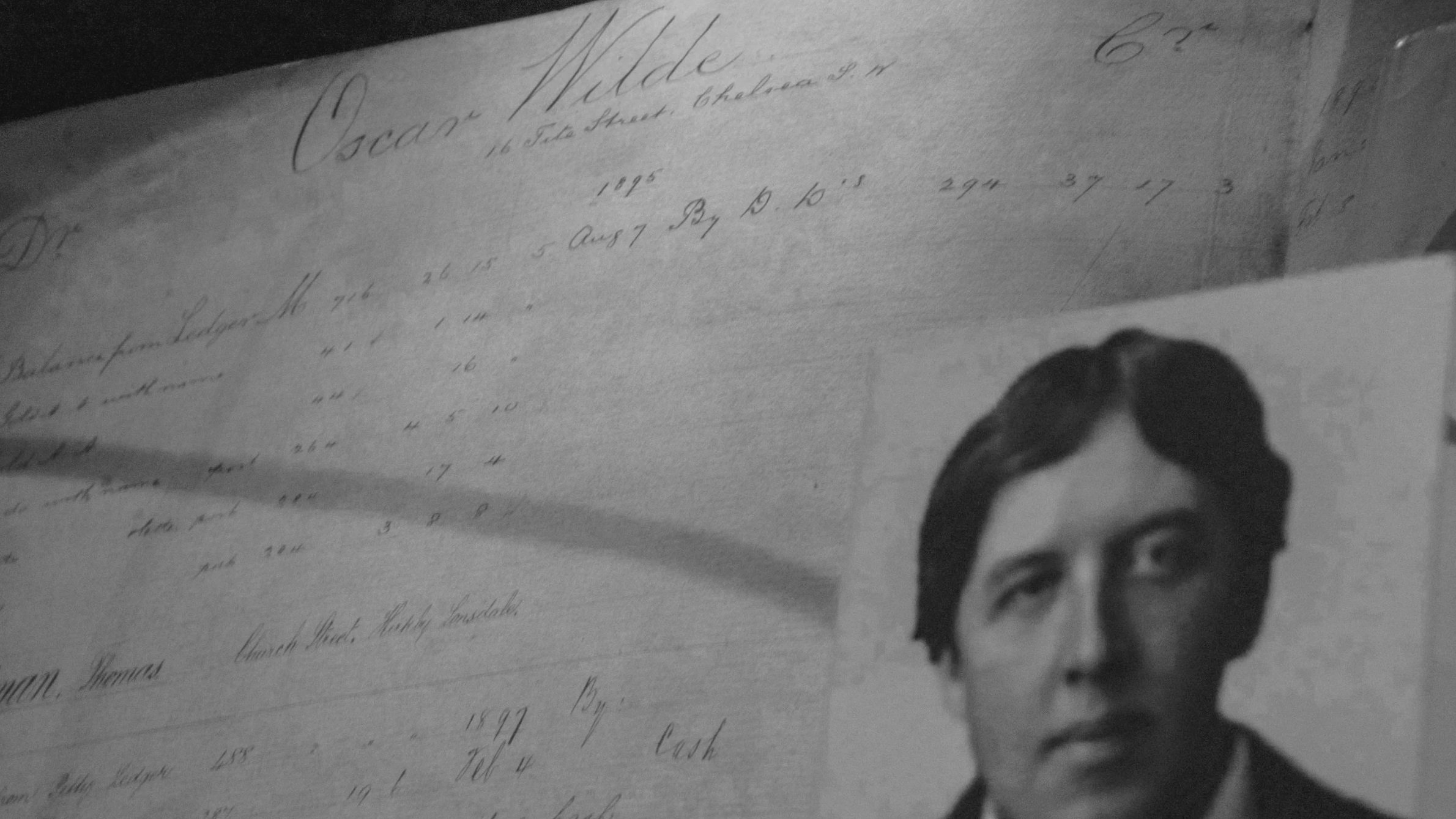
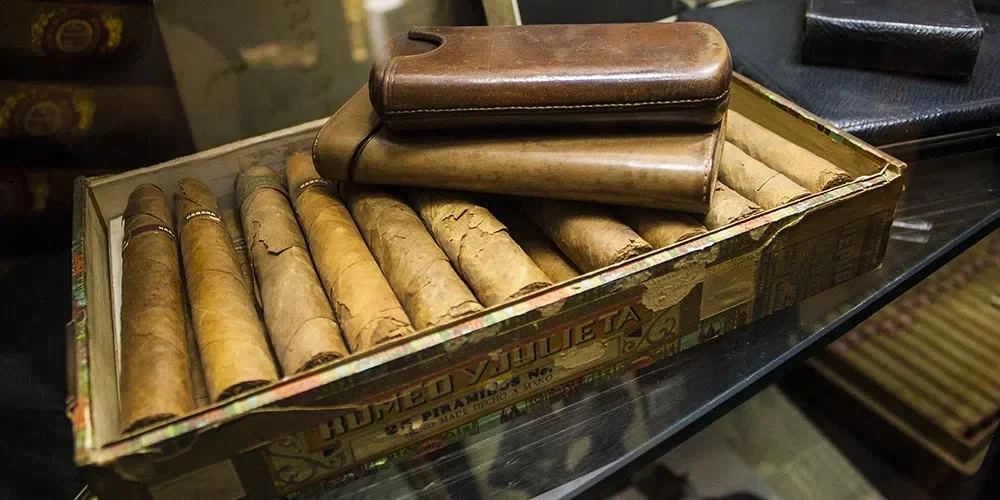
Churchill's chair is still there. So is Oscar Wilde's unpaid ledger of seven shillings and threepence owed to the shop between 1892 and 1893, most of it for cigarettes. So is a glass casket of La Cabañas cigars made for the Great Exhibition of 1851: the oldest box of Havana cigars in existence and the first to reach British shores. And in a quiet corner of the museum, Edward VIII's personal humidor, engraved with "The Fort" named for Fort Belvedere, the residence where he wrote his abdication speech before giving up the throne for love. He donated the humidor to the shop as a lifelong customer. Nearby, a Napoleonic warrant from the Maison de l'Empereur confirms what the walls already whisper.

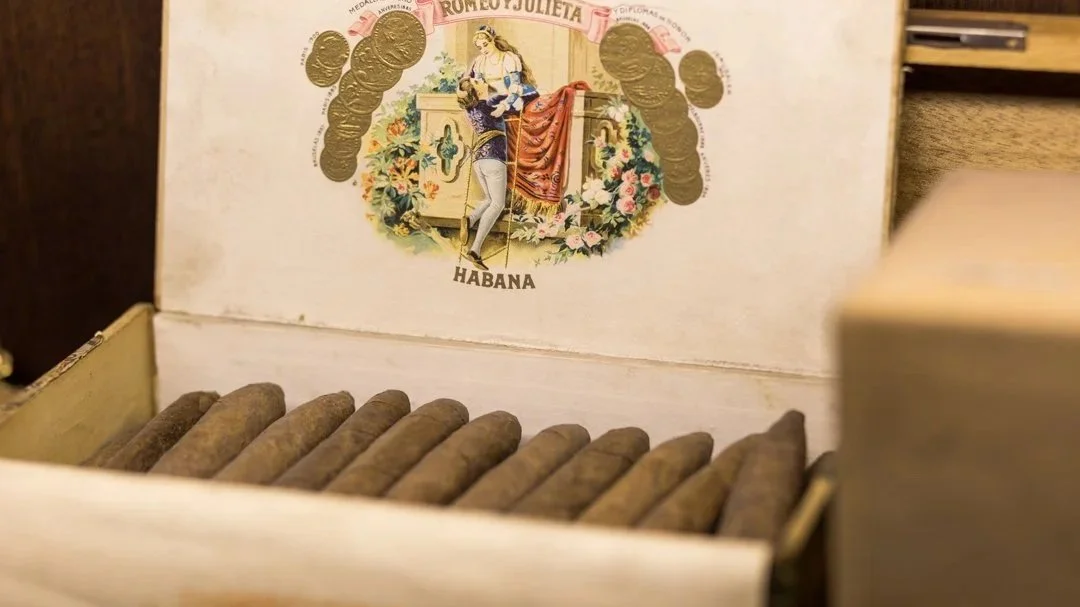
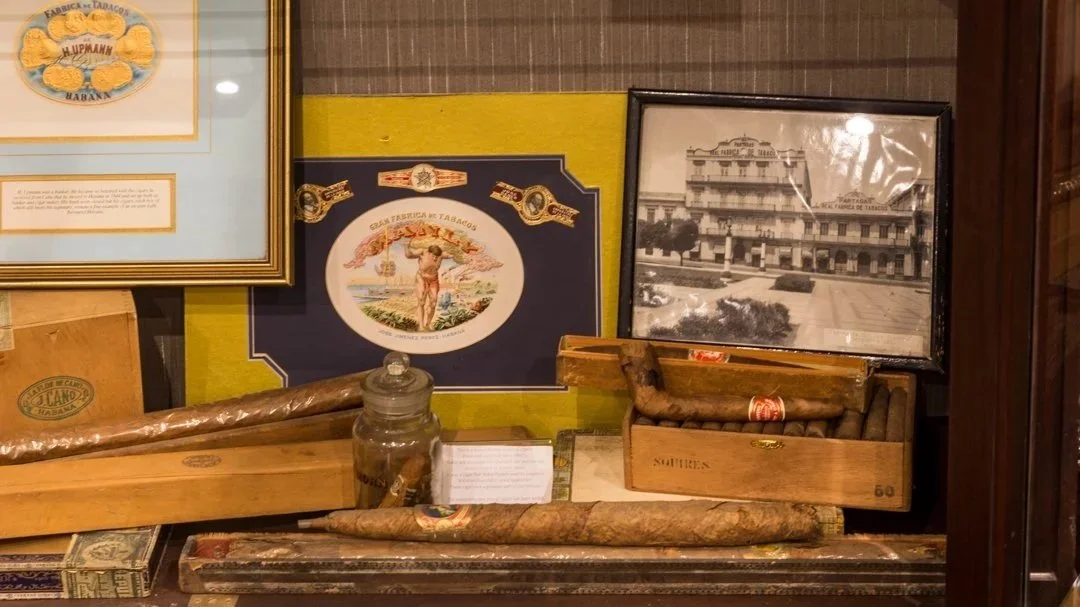


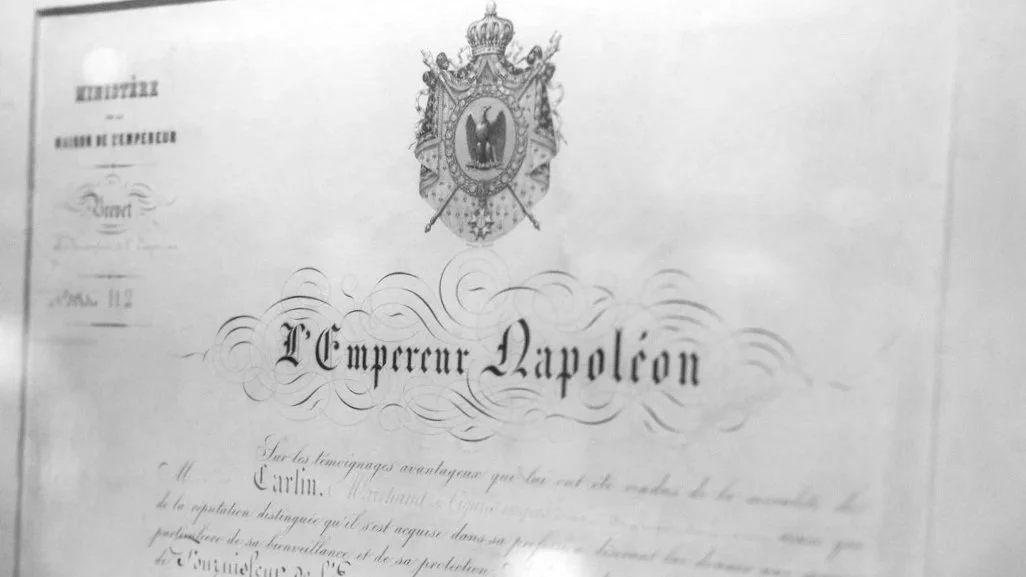
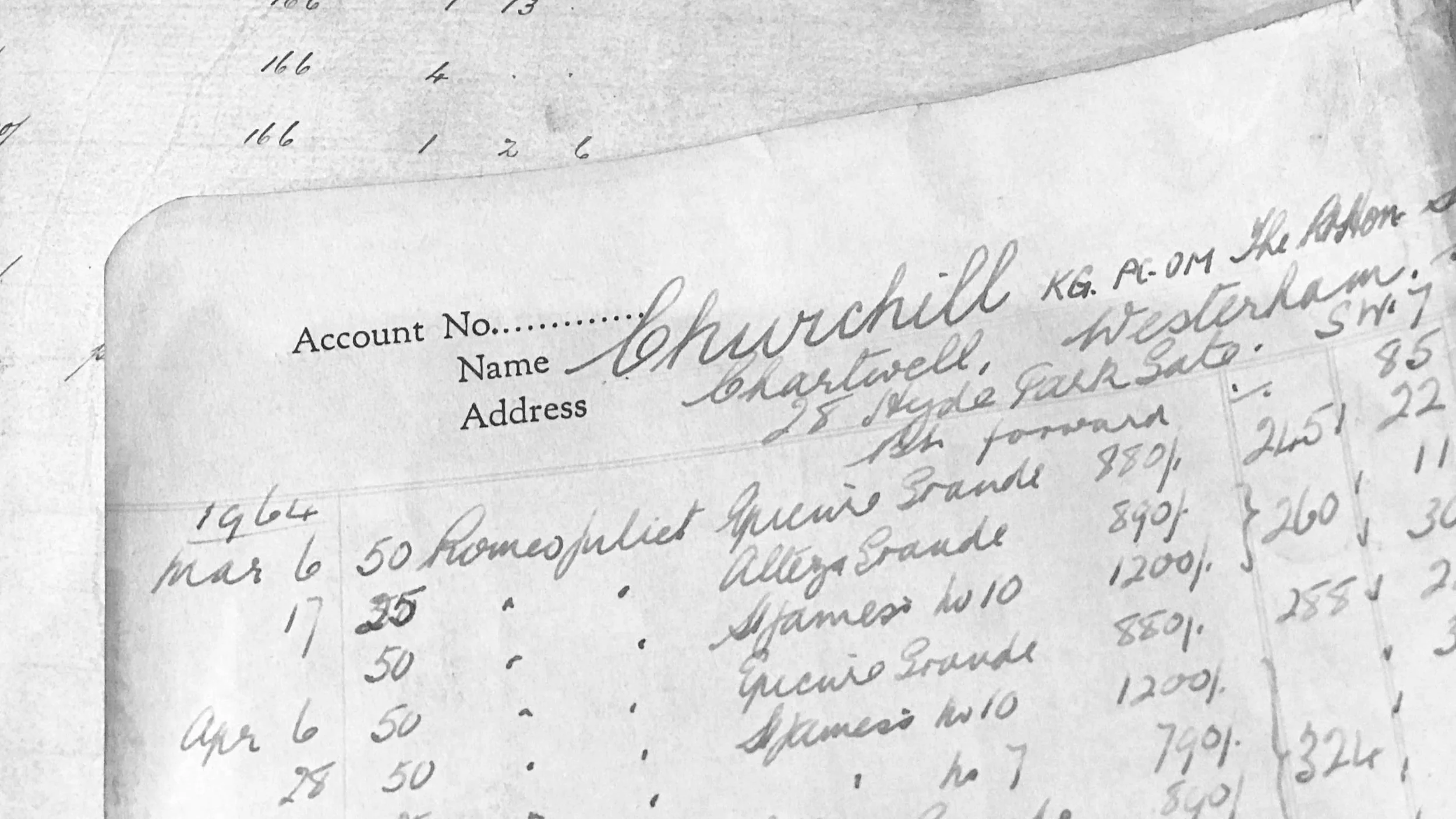
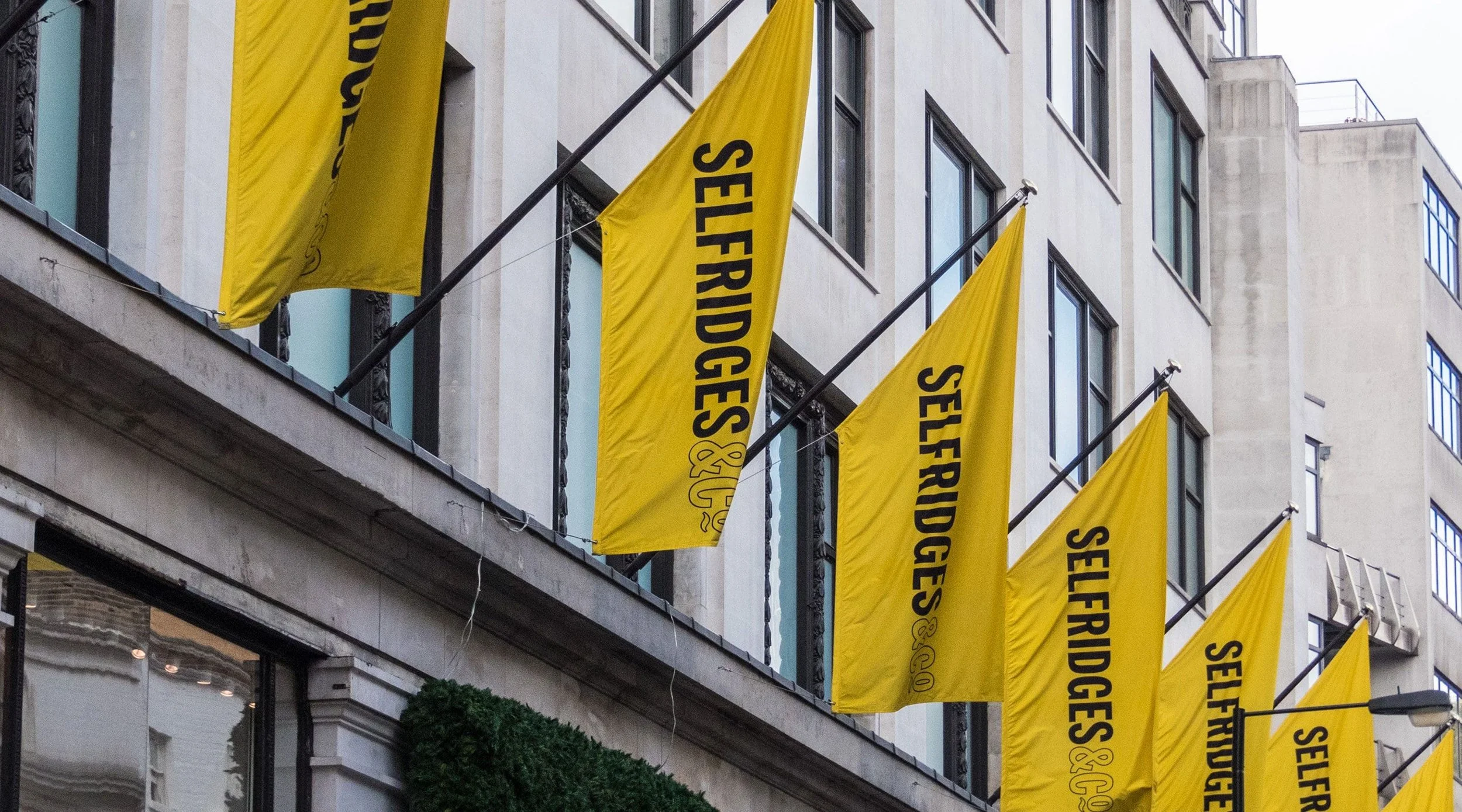
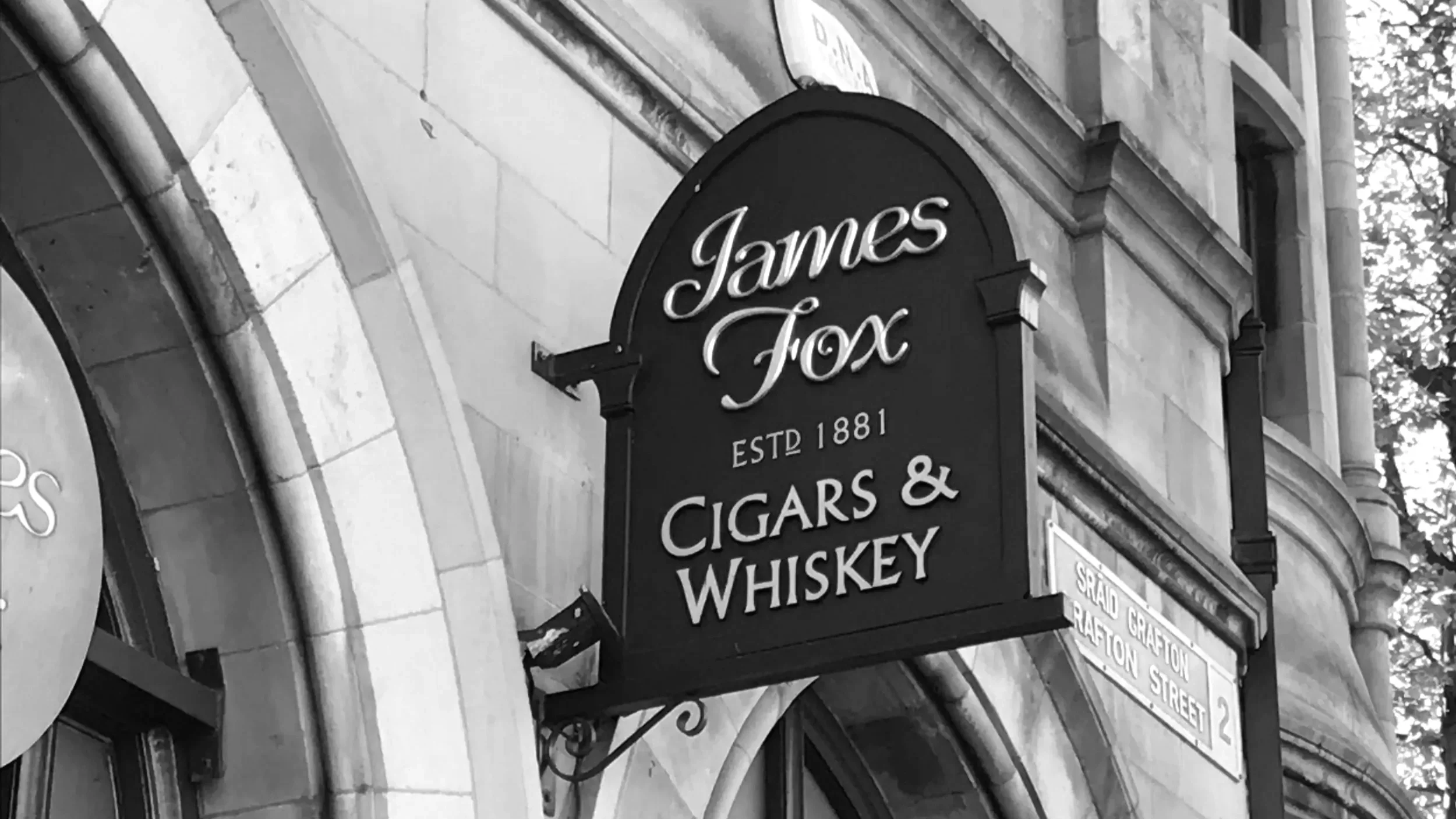
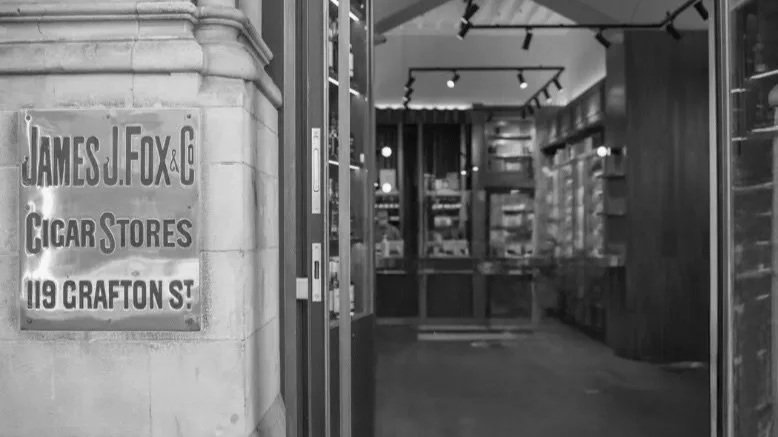
In 1881, James J. Fox was founded in Dublin. The business expanded to London in 1947, then acquired Robert Lewis in 1992, joining two distinguished names under one roof. Today, the Fox family — now in its fifth generation through brothers Rob and Stuart Fox — continues to run the flagship at St James's Street alongside concessions at Harrods and Selfridges, and the original Dublin shop still trades from 119 Grafton Street.
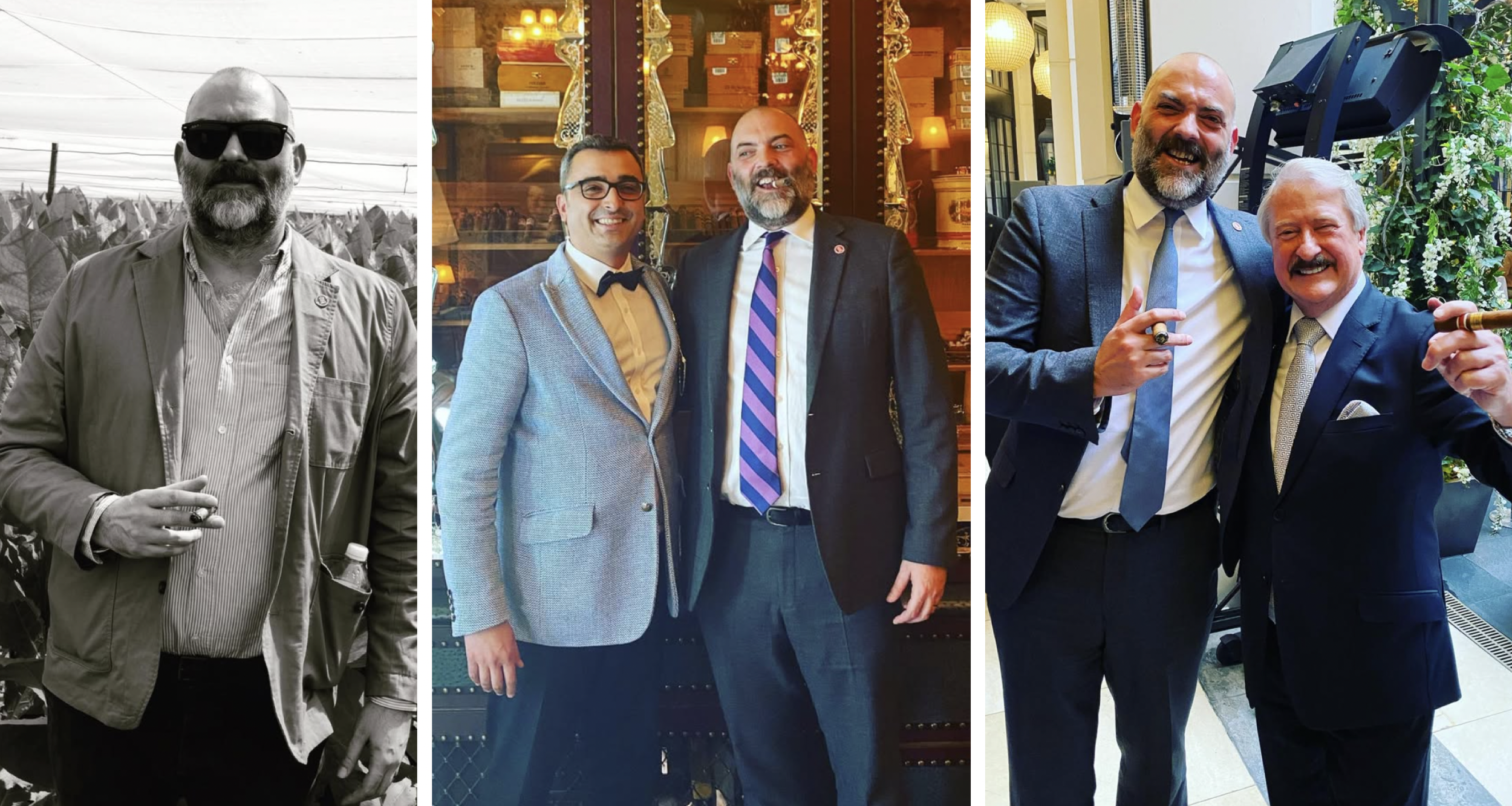
From Miami to St James's, I had the most interesting conversation with Jimmy McGhee, the man who runs the commercial side of this extraordinary house. Jimmy spent over a decade at Hunters & Frankau, the UK's exclusive distributor for every Habanos brand, where he created the Masters of Havana Cigars certification — widely regarded as the most demanding cigar qualification on earth. He has since returned to where it all began: James J. Fox. He is a man who has spent his career at the intersection of Cuban cigar tradition and British retail excellence, and on a quiet morning, he still stops by Davidoff of London just a few doors down — for a coffee with his old friends Eddie and Edward Sahakian. This is that conversation.
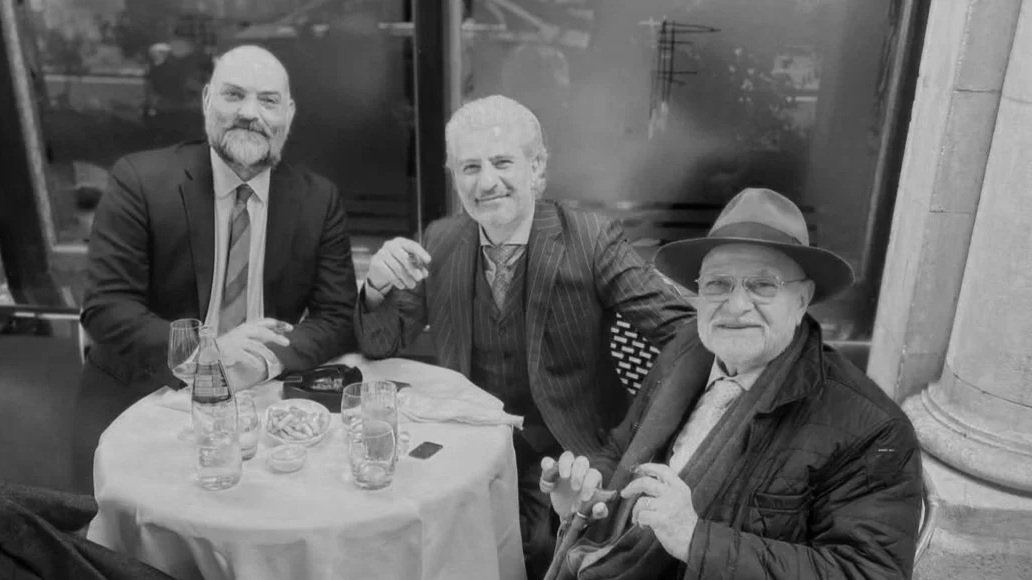
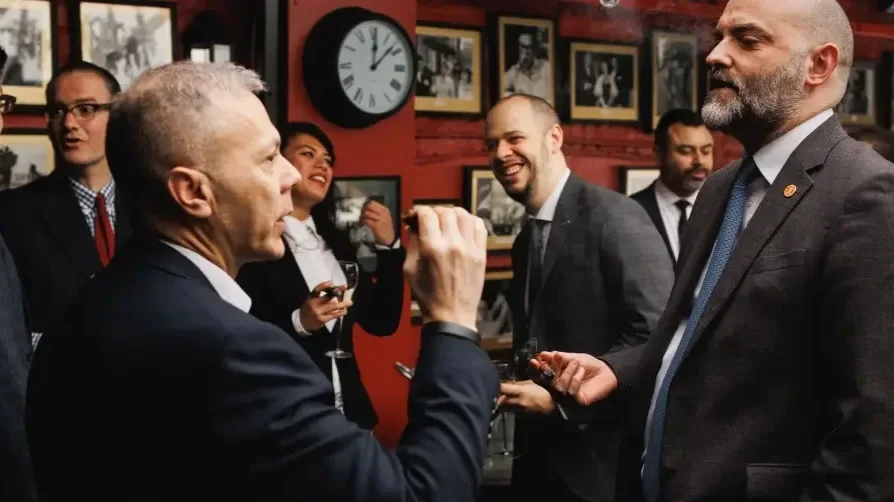
Jimmy McGhee’s story begins modestly enough. What started as a temporary role became a profession, then something more settled and personal: a life shaped by humidors, handmade cigars, and the kind of company that naturally gathers around them. What follows is our conversation.

Courtesy of Mr. Jimmy McGhee
Frederik Guard: Jimmy what first drew you into the world of cigars, and what made you build a career around them?
Jimmy McGhee: My first job in the cigar world was with James J. Fox at Selfridges. It was only supposed to be temporary, but I stayed and by the time I left, I had been manager of the department for quite a few years.
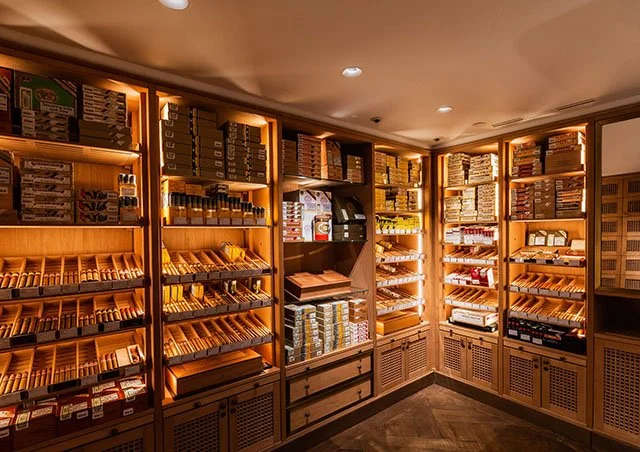
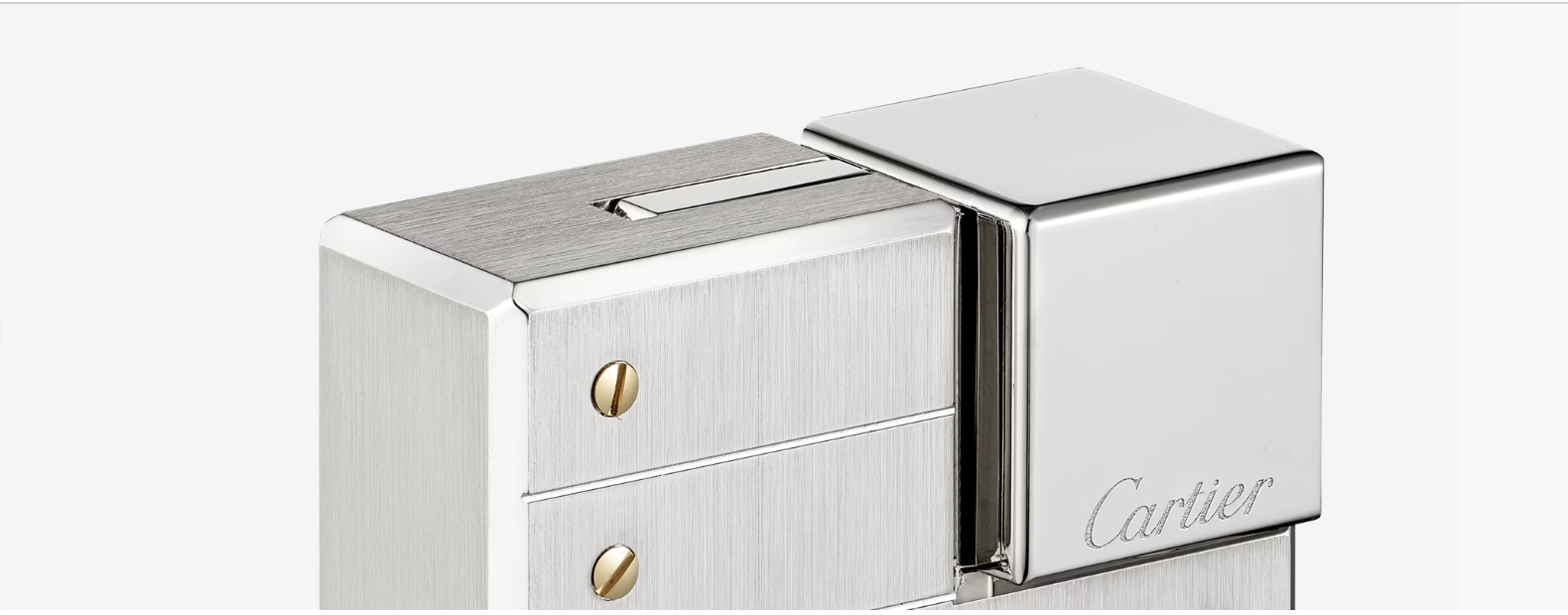
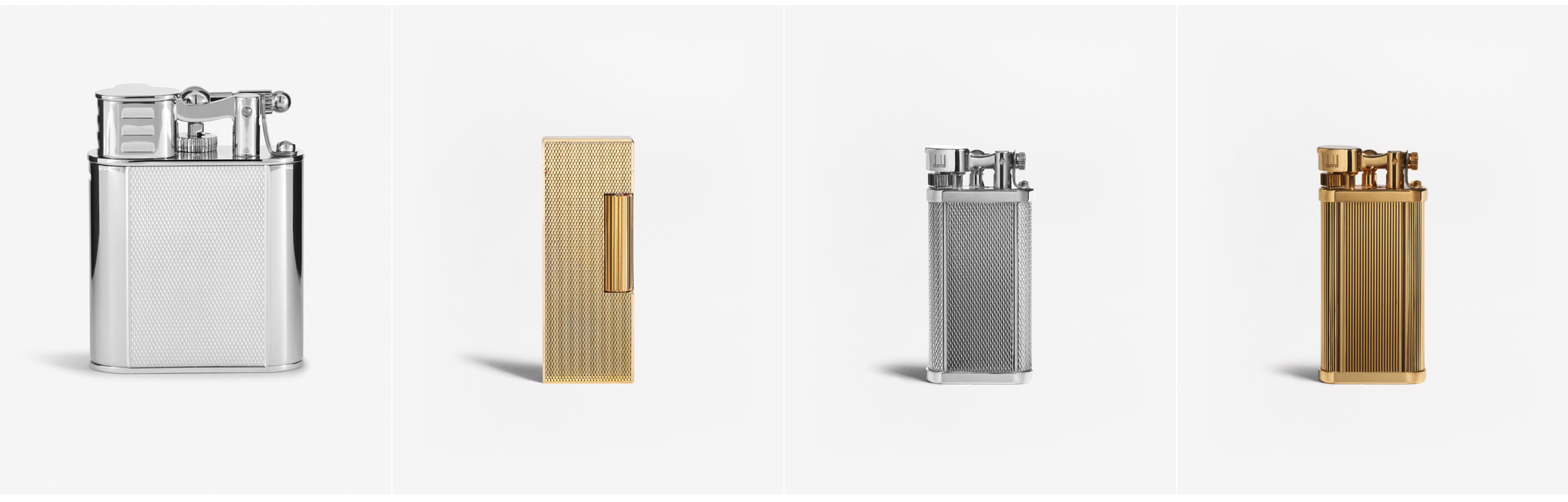
Something I remember from very early on is that while some colleagues were intrigued by the variety of pipe shapes and wonderful aromatic tobaccos, and others were drawn to the beautifully ornate collection of S.T. Dupont, Cartier, and Dunhill accessories we had, I was immediately enamoured by the humidor and its collection of handmade cigars. Why that was and why I remain captivated to this day, is hard for me to say.
I have now spent so long in this business, and made so many good friends, that I find it impossible to imagine myself outside of it. I defer to the great Zino Davidoff in this: "The cigar has been my life. I owe it everything: my deepest pleasure and my anguish, the joys in my work as well as my leisure time."
I don't know that it could be any other way for me now.


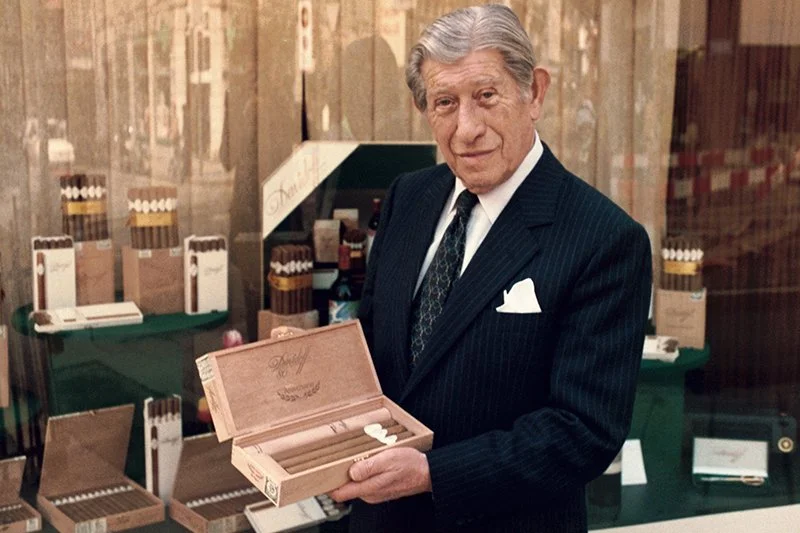
Frederik: Churchill's chair, Oscar Wilde's ledger, the oldest box of Havanas in existence. What does it feel like to work inside 237 years of living history at 19 St James's Street?
Jimmy: Our museum is unique within the cigar world. I don't know of anything else quite like it, and some of the historical artefacts it contains are priceless.
At No. 19, we are the custodians of a business that has been here for generations. It is a privilege to welcome guests from all over the world who have come to visit the shop. Naturally, this brings with it a certain kind of pressure — to ensure we maintain the values and quality of service that has allowed this great shop to thrive for two hundred and thirty-nine years. But it is a pressure we welcome and enjoy. Our ambition is to offer a contemporary and modern approach while remaining true to our heritage and history.
I cannot think of anywhere else I would rather be.
Frederik: Five generations, one family, and a journey from a single Dublin shop to St James's Street, Harrods, and Selfridges. What is it about the Fox family legacy that still shapes the business today?
Jimmy: The family, through brothers Rob and Stuart Fox, remains closely involved. Despite the innumerable changes to have taken place over the years — both here and in Ireland — they remain dedicated to operating the company as a family business.
Everyone here, clients and colleagues, is made to feel valued. It is no coincidence that many team members count their service in decades, and that our staff retention is noticeably high for the sector.
James J. Fox holds a Gold accreditation with Investors in People — something we are proud of and something that reflects the shared values within the business. That all comes from the top.
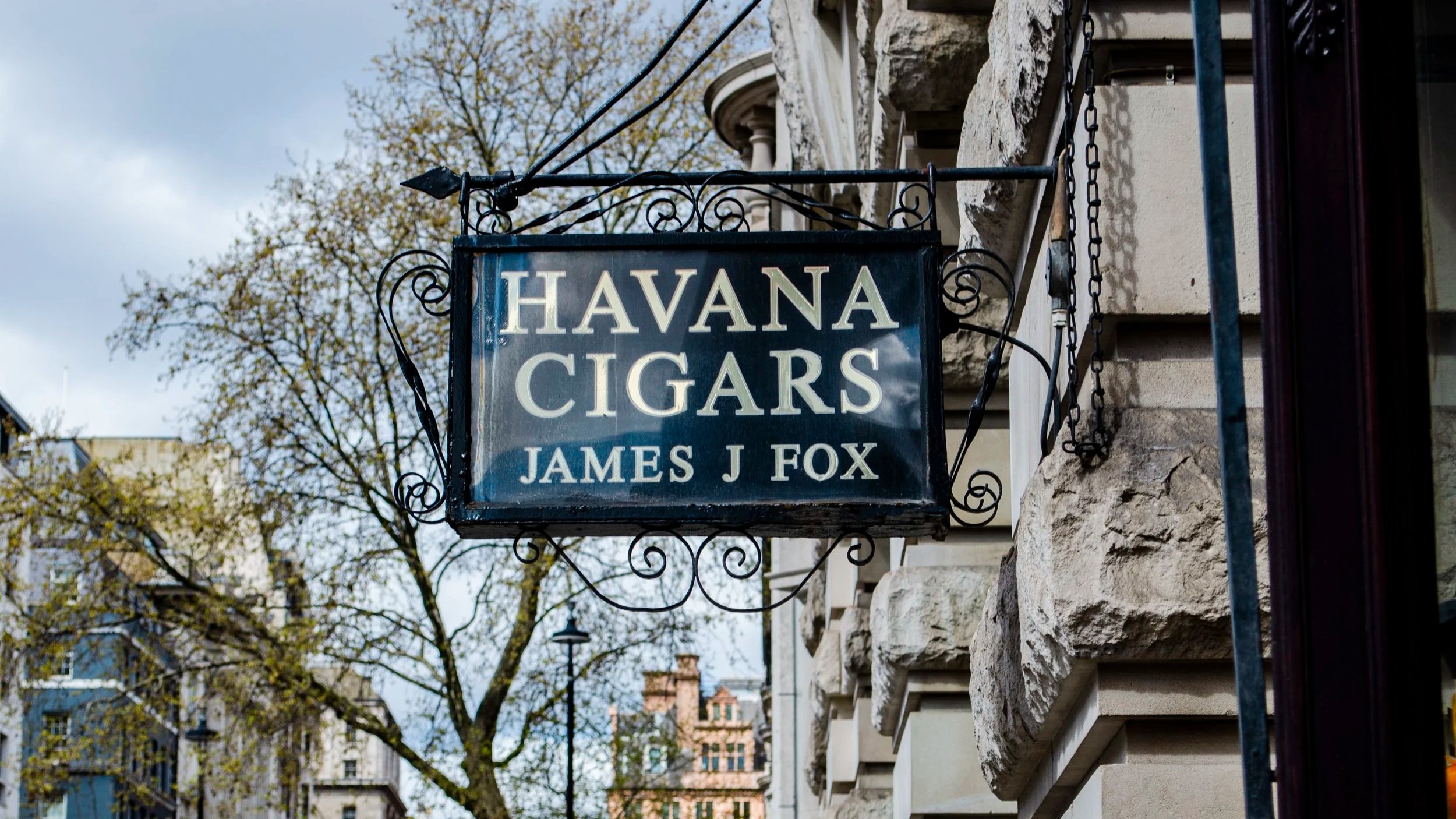
Frederik: With Davidoff of London just a few doors down and friends like Eddie and Edward Sahakian nearby, what makes St James's Street the beating heart of London's cigar world?
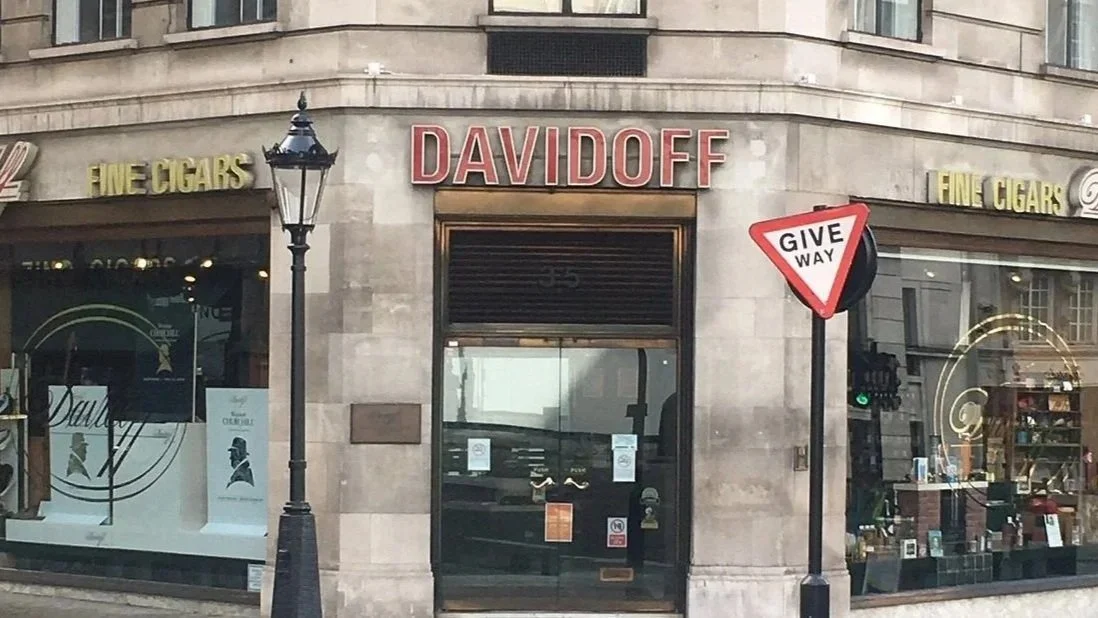
Jimmy: Edward and Eddie Sahakian are dear friends and wonderful neighbours. I often stop by for a morning cup of coffee with them on my way into the shop.
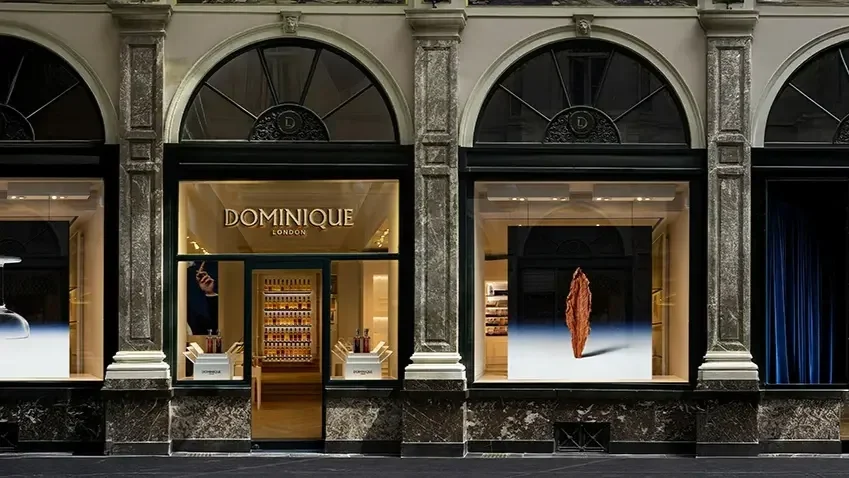
We also have Ritz Cigars London at the top of the road, the Dominique London shop between us and Davidoff, and they have now opened a new store on Pall Mall, just around the corner. When a cigar smoker comes to St James's, they often visit all the shops in the area. It is part of the fun for them to take a look around. They are spoilt for choice here and — just as Savile Row is not famous for a single tailor — the cigar reputation of St James's does not rest on the shoulders of one store.
St James's has a long tradition for gentlemen's clubs in the area. White's, founded in 1693, Boodle's in 1762, and Brook's in 1764 are all resident here, among several others. In part due to the profusion of these clubs, St James's has become associated with gentlemen's pursuits. Our neighbours — shirtmaker Turnbull & Asser, founded in 1885; bootmaker John Lobb, 1849; wine merchant Berry Bros. & Rudd, 1698; and barbershop Truefitt & Hill, 1805 — are all in service of a gentleman's requirements.
Happily, cigars — and James J. Fox, 1787 — remain part of this inventory.

Frederik: Having worked inside Hunters & Frankau the UK's exclusive distributor for every Habanos brand since 1790, what did you learn about what makes a truly great Havana cigar?
Jimmy: I have learnt a great deal about cigar making over the years, but I am still only scratching the surface. There are so many different elements involved, and if one aspect falls short or goes awry — for any number of reasons — then the entire enterprise falls short.
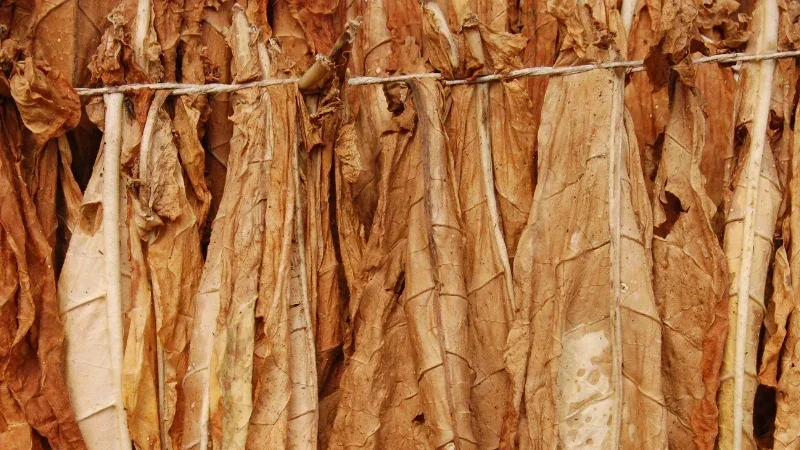
Seed varieties, combating natural threats, soil composition, and climate all play a part. The importance of curing, fermentation, and ageing is without question. As is the unquestionable skill of the hundreds of people involved in the process.
So many people show such dedication to getting this product right that, to me, every single cigar seems to be a small act of alchemy.

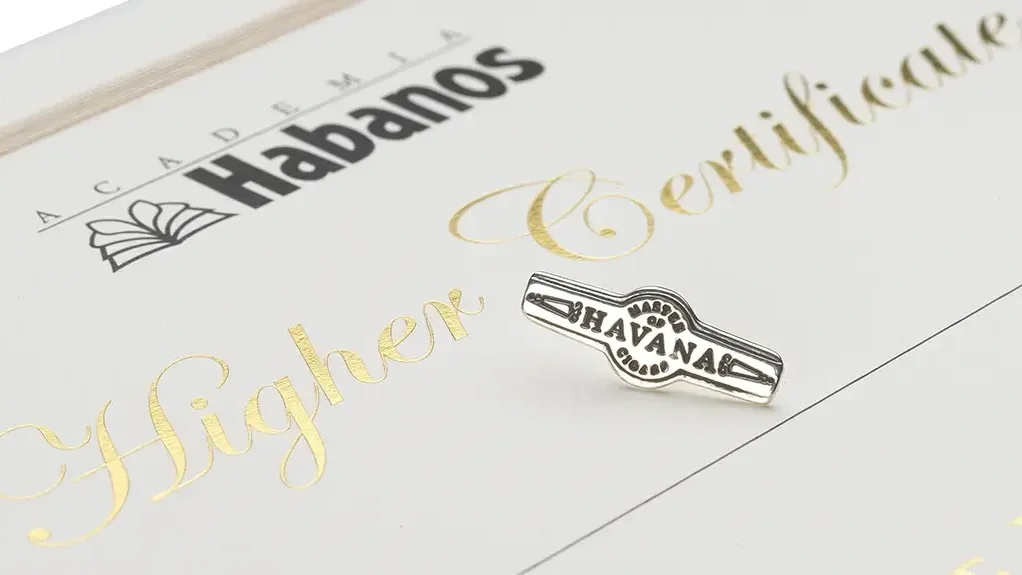
Frederik: You built the Masters of Havana Cigars certification, now regarded as the most prestigious cigar qualification in the world. What inspired the programme, and what does it take to earn the title?
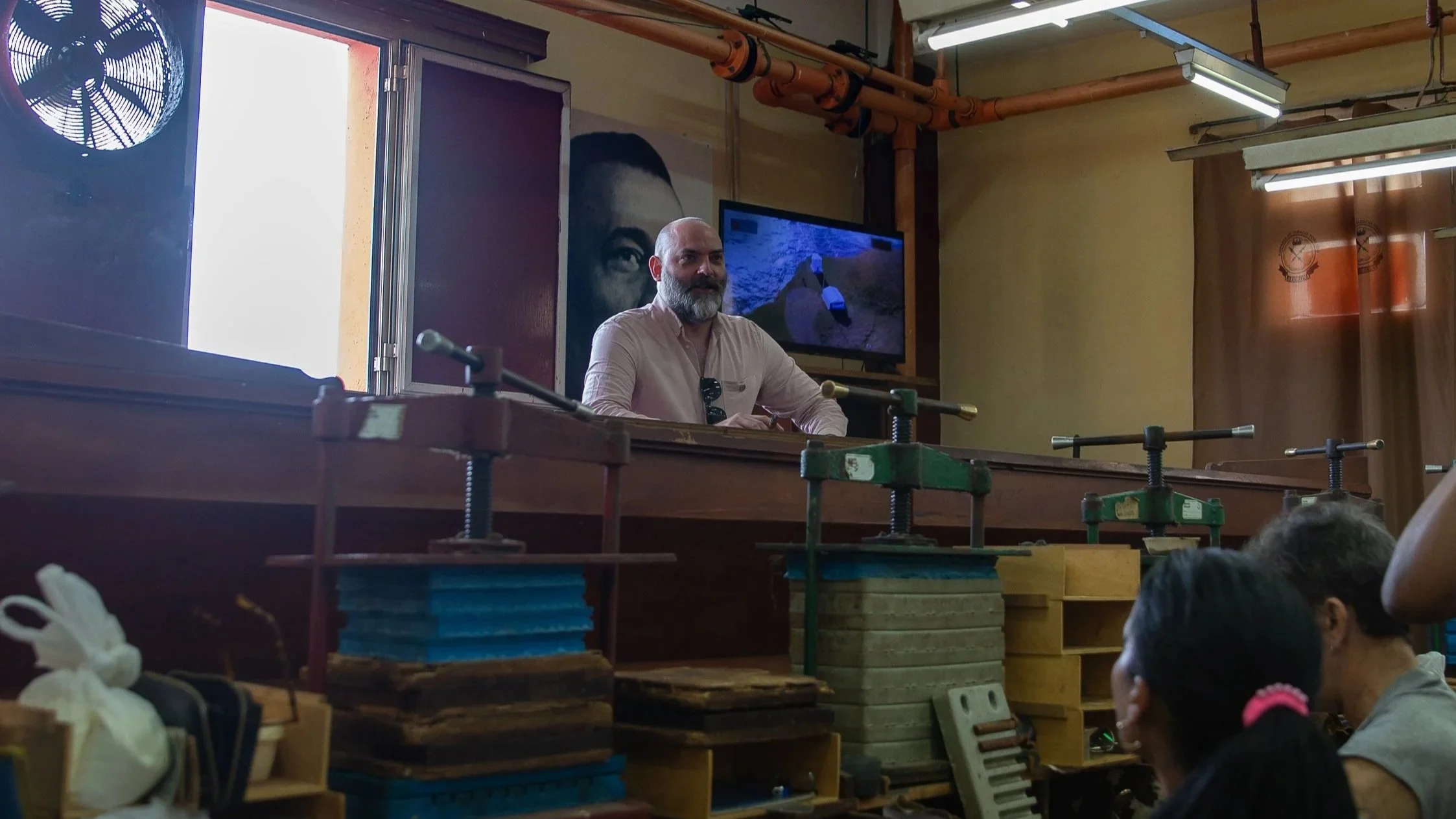
Jimmy: I created the Masters of Havana Cigars qualification at the start of 2013 and ran every aspect of the course for the following thirteen years, until I left Hunters & Frankau in 2025. It was hugely rewarding and a source of great personal pride — helping people study and watching them become Masters in their own right. I have made a lot of friends through running this course and watched a lot of careers blossom.
The exam is divided into a written and practical part and in total includes around two hundred questions. The written portion is split into Agriculture, Production & Presentation, Brands & Specialities, and Vitolas. The practical consists of an interview and practical assessment.
To pass, you need a passion for Havana cigars and a willingness to study. Everything else is secondary. It is not for everyone, but the people who apply themselves and are willing to be tested place themselves apart from many of their peers.
I hope that the qualification has played a part in establishing the importance of knowledge and expertise within the cigar world, and has contributed to the growing reputation of cigar professionals in the UK. It is something I feel passionately about.
Before I left Hunters & Frankau, I had launched and started to run the Masters of Havana Cigars Advanced course — which will take this sector onto yet another level.
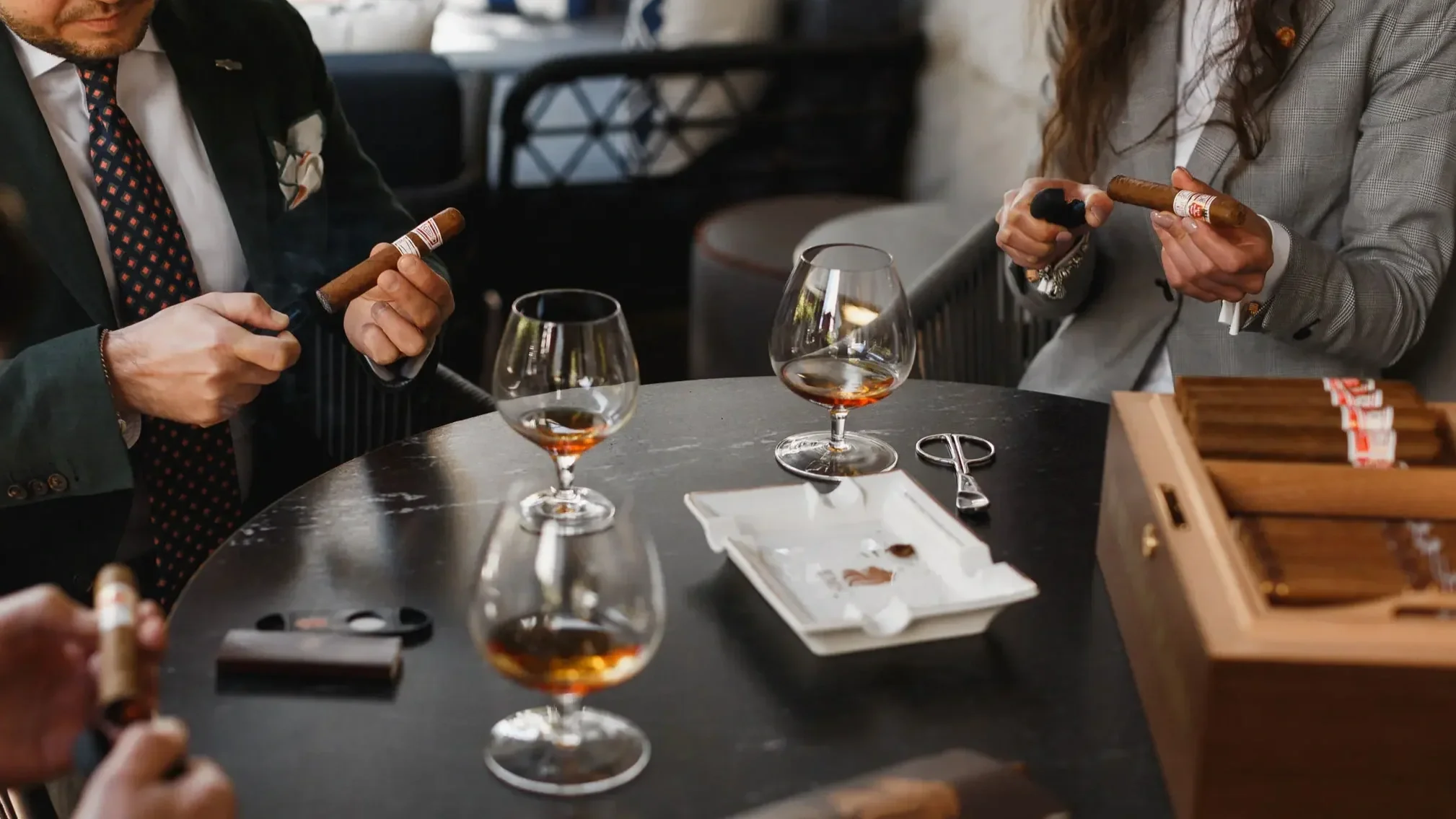

Frederik: James J. Fox is one of the last places in England where you can legally enjoy a cigar indoors. What does that rare privilege mean for the experience at 19 St James's Street?
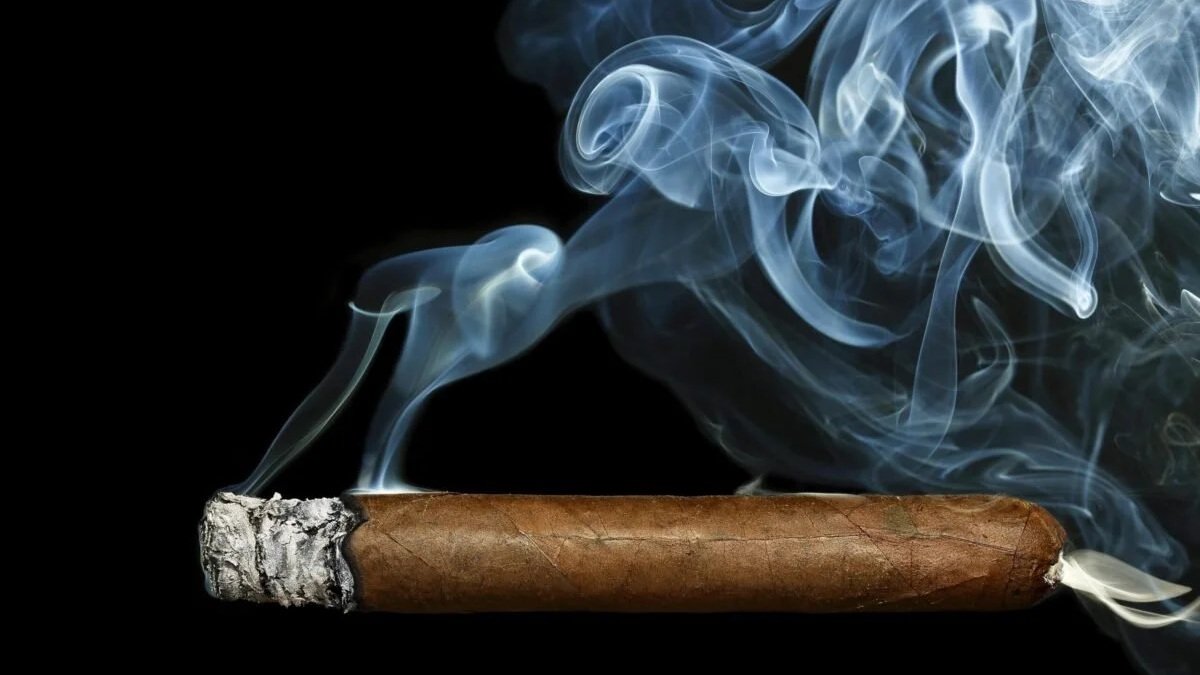
Jimmy: When the smoking ban came into effect on 1 July 2007, a small number of venues were given special status within England to allow sampling indoors. At No. 19 St James's, and at our La Casa del Habano in Harrods, we are pleased to offer clients the opportunity to try a cigar — to see how they enjoy it before making any further purchases.
The legal exemption we hold for indoor sampling of cigars in England is extremely narrow and exclusively for adults who have made the choice to visit a specialist tobacconist. It is something we are pleased to have and keen to protect.
Frederik: Someone walks into James J. Fox for the very first time, never having bought a cigar before. How do you guide them to the right one?
Jimmy: The great Liverpool manager Bill Shankly once said, "Football is a simple game made complicated by people who should know better." I feel the same way about cigar service. It should be a simple process.
To the outsider, the world of handmade cigars can seem opaque and a little intimidating. When someone visits us never having smoked before, we have a chat with them and put them at ease. We ask a few questions — things like, when will they be smoking the cigar? How long do they want to smoke for? Perhaps what will they be drinking? Do any shapes and sizes look better to them than others?
Simple conversational questions that guide us toward a few potential options. There is very rarely, if ever, a single correct cigar for an occasion or smoker. So after a brief conversation, we make a couple of recommendations and let the client make the final decision.
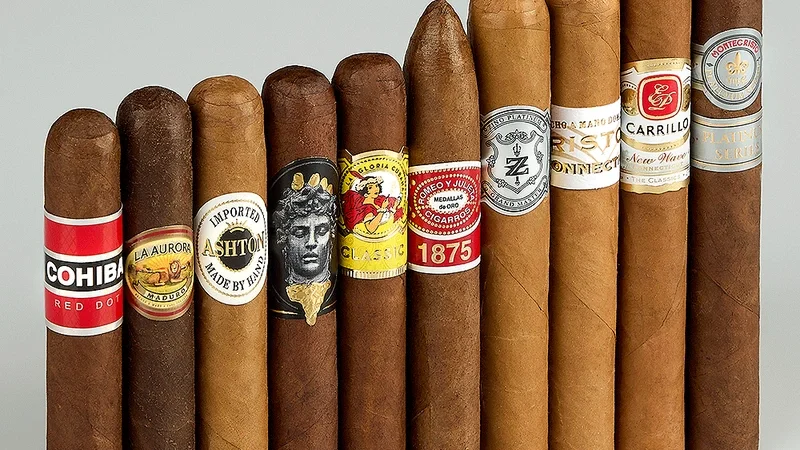
For new smokers, our recommendations tend toward the lighter blends in the smaller formats — but nothing is set in stone.
Frederik: A new generation of cigar enthusiasts is emerging — younger, curious, drawn to craft and authenticity. How do you see cigar culture evolving, and how does James J. Fox welcome them?
Jimmy: People are more interested than ever before in the provenance and narrative history of their products — whatever that may be. Whisky, beef, clothes, cars. They are interested in the story behind the product.
They value traceability — to understand who has made it, using what ingredients and what methodology.
These are all questions that have fascinated me about cigars for years, so they find fertile ground here.
Frederik: What does it mean to you to be a modern gentleman today?
Jimmy: To me, a gentleman is someone who acts with respect and integrity. Giving someone your time — finding space in your day for them — is a courtesy. It is important in life as in business. A cigar smoker understands these principles as well, or better, than any other group of people I have ever met.
I have found that enjoying a cigar with someone is one of the best ways to communicate. It gives people time to talk, to express themselves or, occasionally, to sit together quietly.
In a world that seems to speed up every day — where we are contactable at all times via an ever-growing number of instruments, and there seems to be a growing queue of people expecting an immediate reply from us — taking the time to smoke a cigar can feel like a small luxury. But for me, it is an important one.
The moments I smoke, in company or alone, are very important to me and help me in more ways than I can easily express.
Frederik: If you could sit in Churchill's chair with anyone from history and share a cigar — who would it be, and what would you smoke?
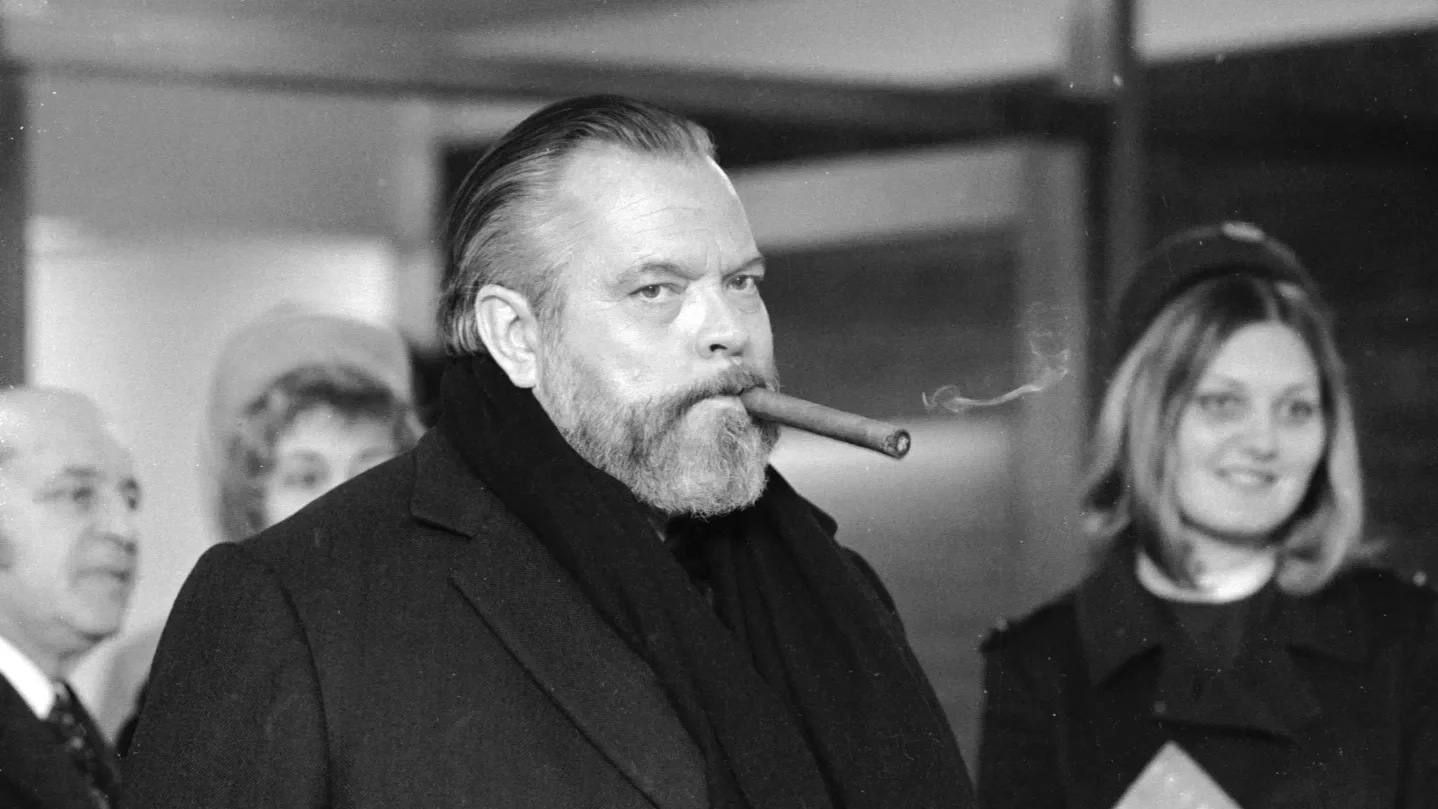
Jimmy: Probably Orson Welles. He always seemed to be a great raconteur and genuine epicurean, so I am sure he would be fascinating company. He was also a real cigar smoker.
I would bring a couple of well-aged Partagás Lusitanias, taken from the very centre of a cabinet box of fifty.
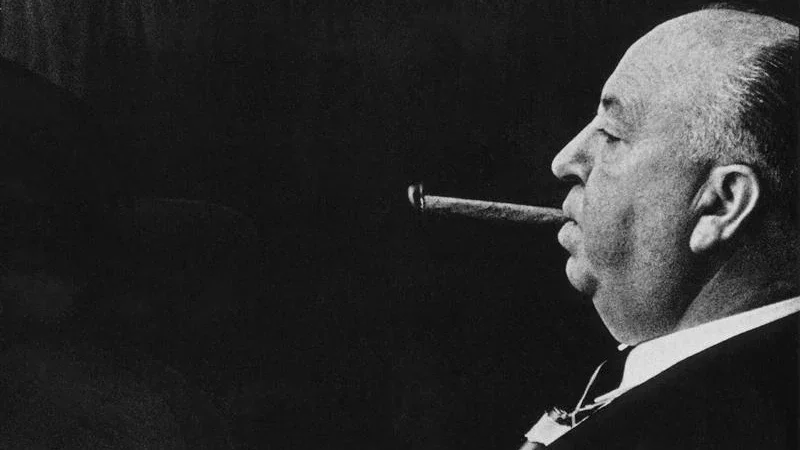
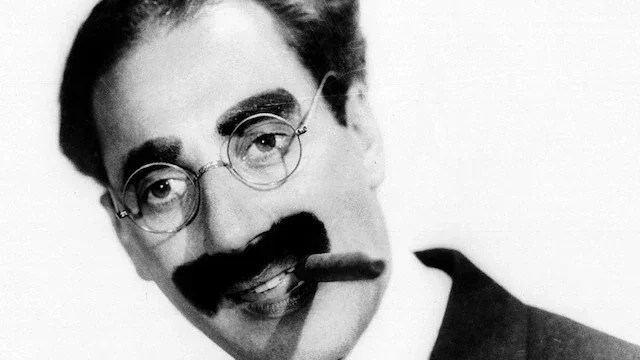
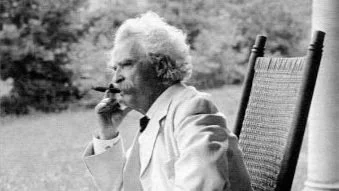
On another day, I could just as easily have picked Mark Twain, Groucho Marx, Alfred Hitchcock, Francis Ford Coppola, Winston Churchill, Fidel Castro, or so many others.

Frederik: For an MGA reader building a thoughtful collection — in terms of origin, strength, age, and occasion — what are the foundations of a well-built cigar wardrobe?
Jimmy: There is no right answer to this, really, and trial and error is part of the fun. However, there are some guiding principles that might prove useful.
The best advice is to get to know the people who run your local cigar shop. There are a lot of great people working in these places and they will be happy to help you curate your humidor.
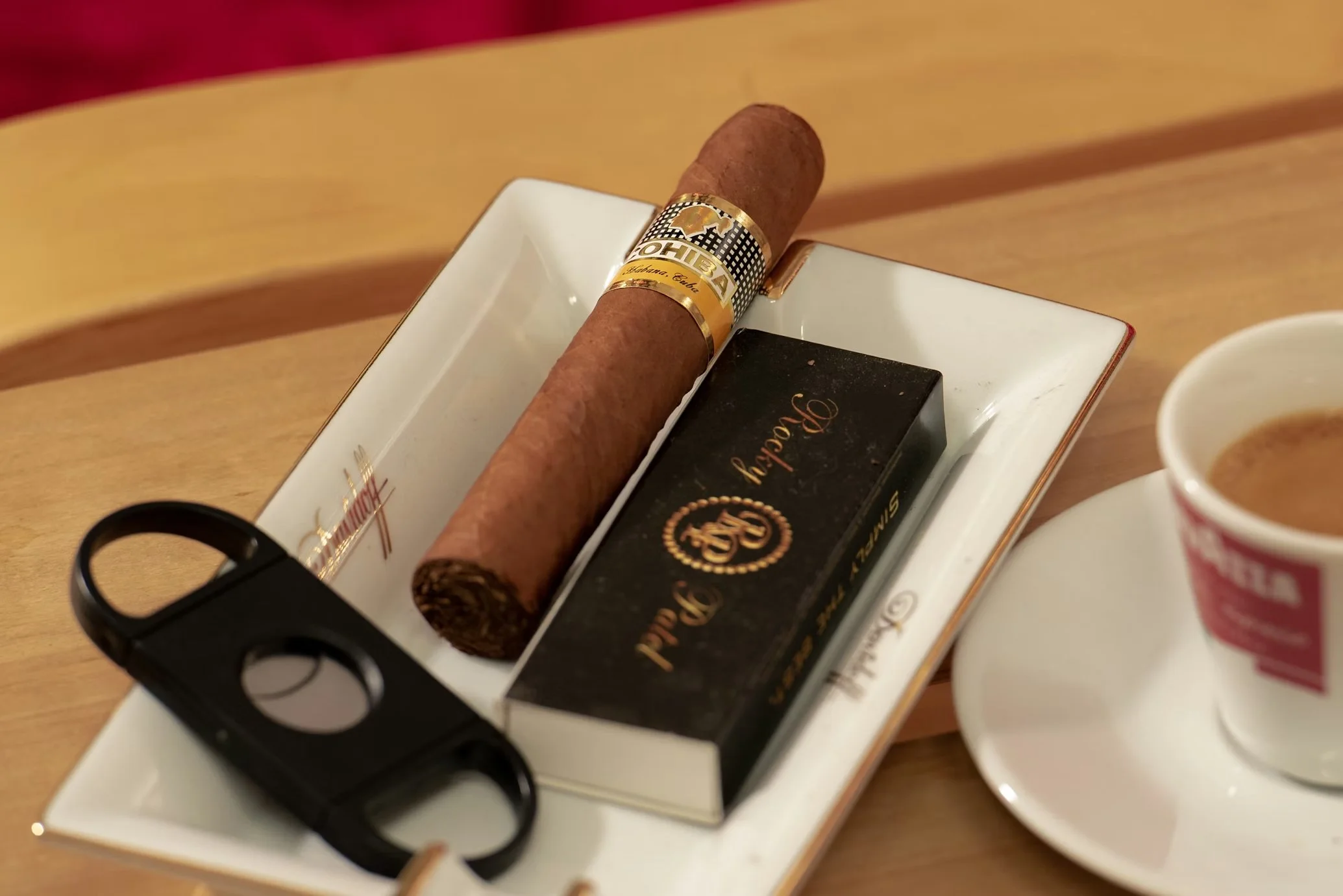
Experiment with singles. Buy cigars from different producers, in different blends and sizes, and keep notes on what you like. Those preferences will become the mainstays of your humidor.
When purchasing cigars you already know you enjoy, buy a bit more than you think you need. You will quickly find yourself unwilling to light up the last remaining cigars from a particularly cherished box. In no time at all, you will have accidentally started ageing parts of your collection. In turn, this will cause your humidor to grow organically.
Personally, as a rule, I will always try a cigar if a friend recommends it to me. I am the same with books, films, albums, restaurants, bars, wines — anything, really. If someone I know likes something and tells me about it, I will give it a go. It is a great way to find new things.
Buying for investment is a different conversation entirely, but for a personal humidor, there is no need to go beyond your preferred flavour profile and vitolas. The diversity of your collection will come naturally over time as your palate becomes more seasoned and your tastes broaden.
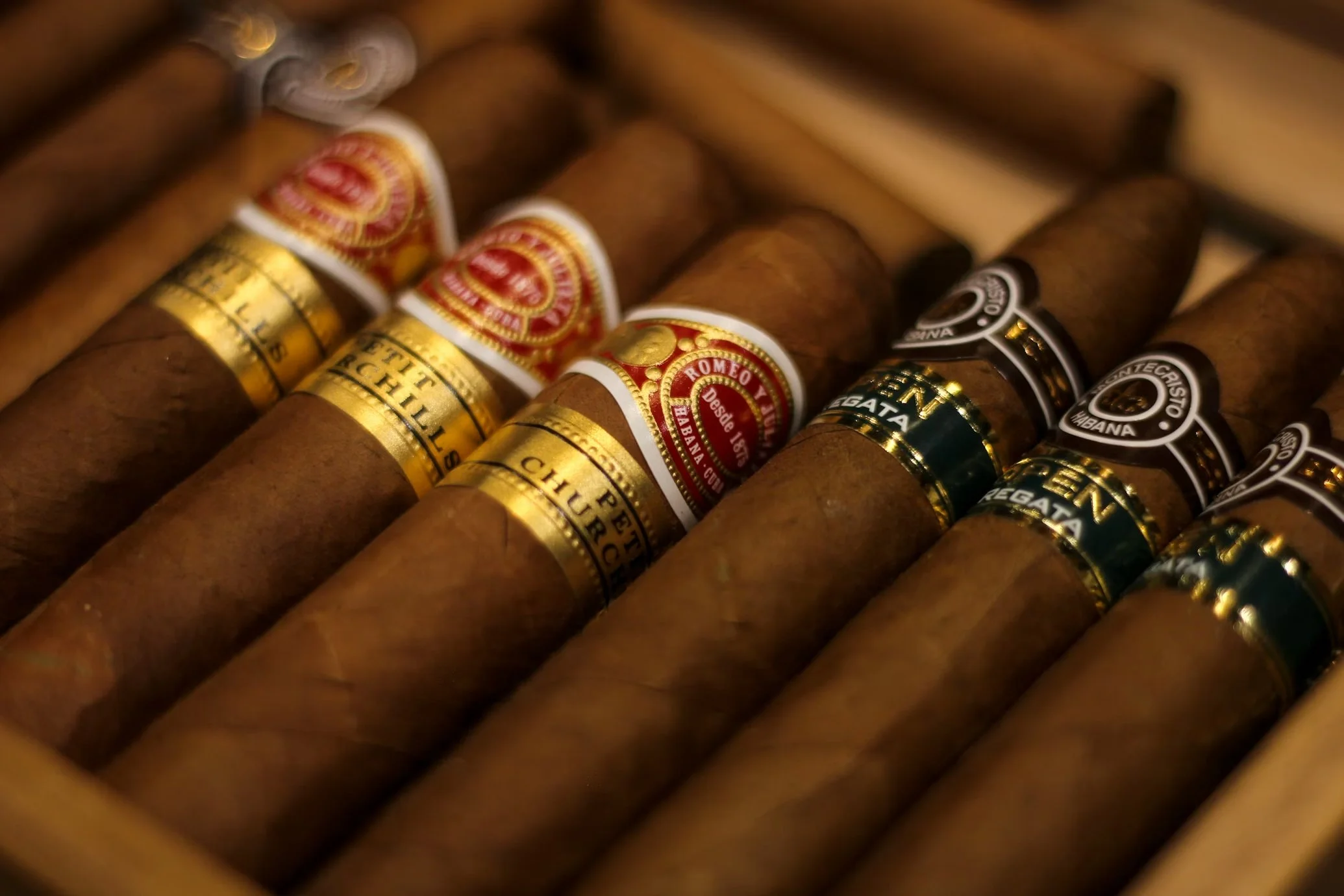
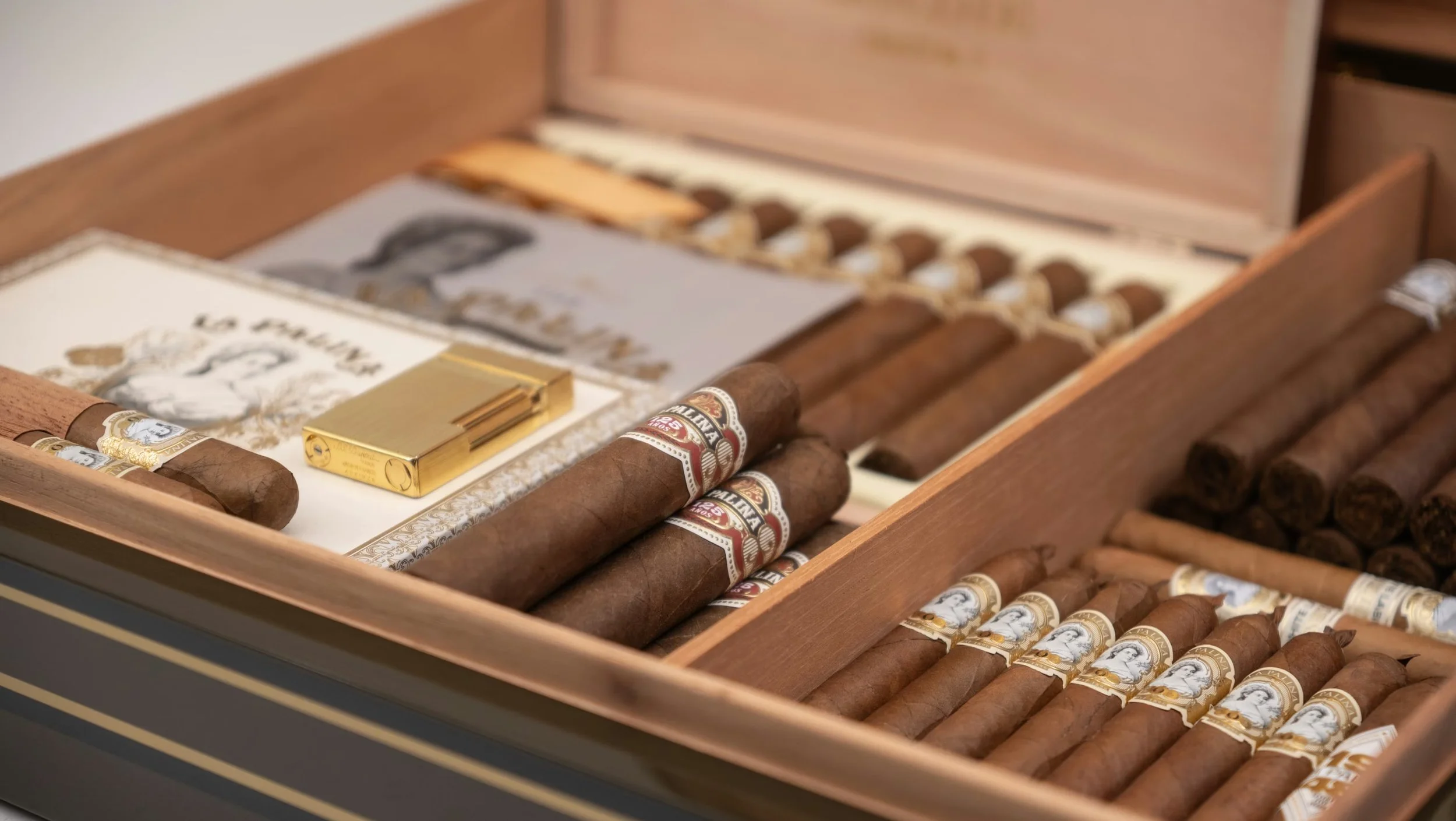
There is a moment in Jimmy's final answer — the one about what it means to be a modern gentleman — that stayed with me long after the conversation ended. The idea that taking the time to smoke a cigar, whether in company or alone, is not an indulgence but a necessity. A small act of resistance against a world that never stops asking for your attention.

Sitting in Churchill's chair at 19 St James's Street, surrounded by two and a half centuries of handwritten ledgers, Royal Warrants, and the quiet hum of a city that has moved on while this shop has remained, you begin to understand what Jimmy means. Some places do not just sell things. They hold time still — and invite you, for an hour or two, to do the same.
James J. Fox has been doing exactly that since 1787. And if Jimmy McGhee has anything to do with it, they will be doing it for a long time to come.