
Inside the Mind of a Cigar Sommelier
Inside the Mind of
a Cigar Sommelier
Ray Prodanov on Vintage Tobacco, Boutique Blends, and the Stories Behind the Leaf
There are people who enjoy cigars, and there are people who understand them. Ray Prodanov is firmly in the second camp — though he arrived there in a way that surprises almost everyone who hears it. A Certified Cigar Sommelier, five-year Cigar Journal tasting panellist, and Brand Ambassador for Freud Cigar Co., Ray brings a rare depth of knowledge and an even rarer thing in this industry: complete independence of palate.
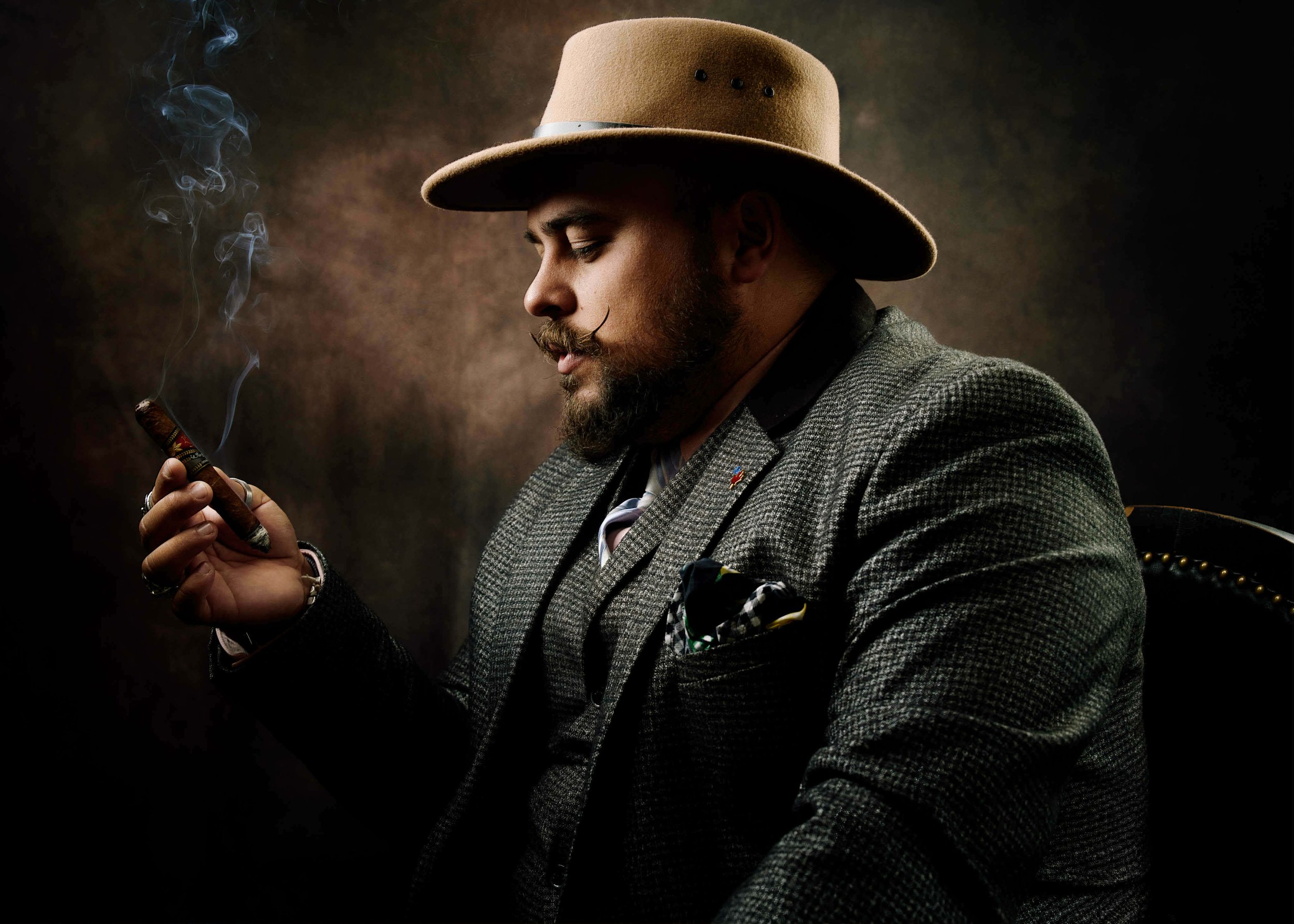
Ray, you came to the cigar world through an unusual door — antique auctions, historical objects, an unexpected smoke. Walk us through the moment everything changed. How does a man go from occasional smoker to Certified Cigar Sommelier?
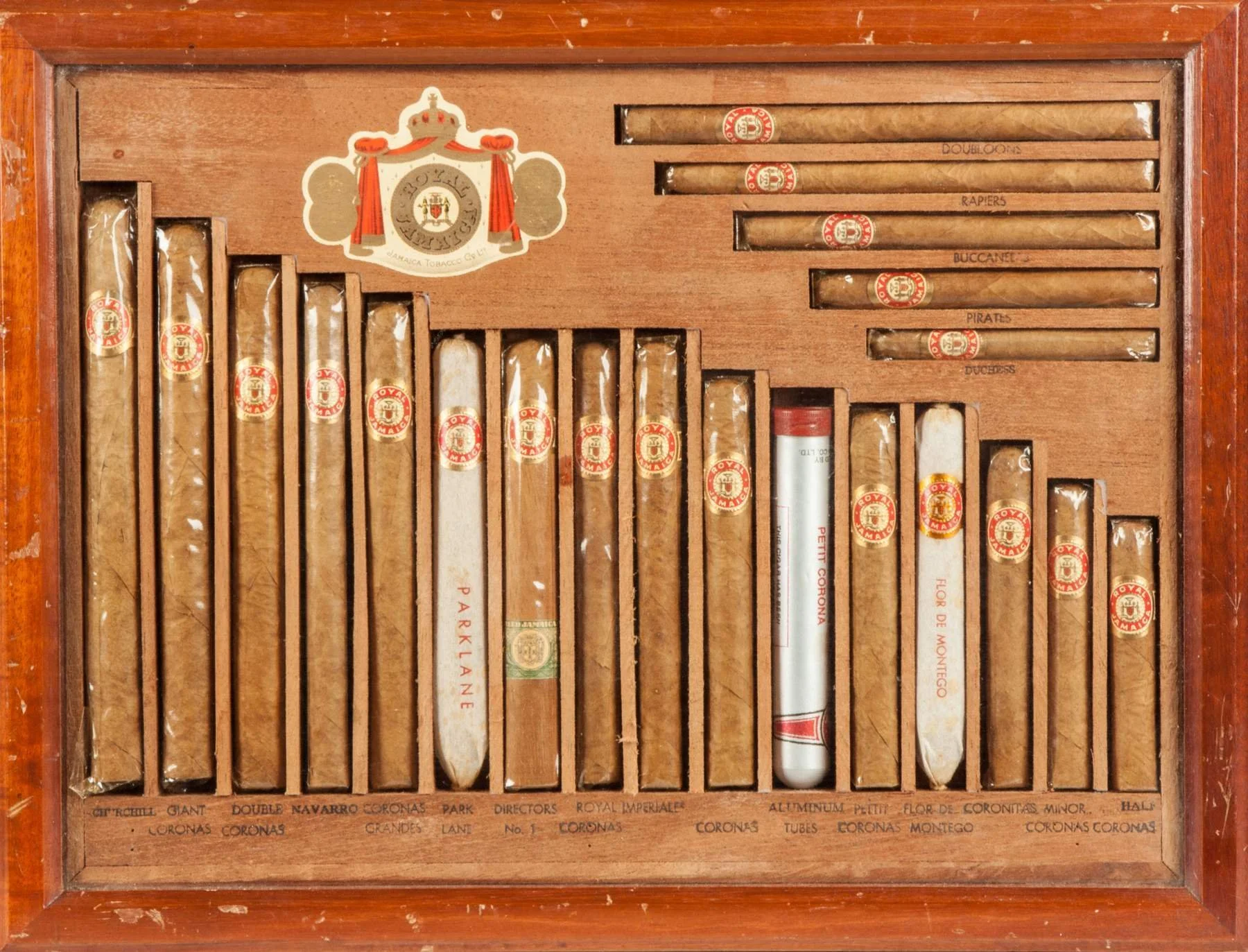
About twelve or thirteen years ago, cigars stopped being an occasional indulgence and became something far more meaningful in my life. At the time, I was helping with auction evaluations, working with historical artefacts — coins, collectibles, pieces with stories behind them — nothing remotely related to cigars. During one auction, I noticed two remarkable boxes of very old Royal Jamaica cigars. The boxes were crafted like miniature treasure chests, beautifully engraved and personalised, and they immediately caught my attention. I bought them purely out of curiosity and appreciation for their craftsmanship.
After bringing the boxes home, curiosity got the better of me. I lit one, thinking more about what to do with so many cigars than expecting anything memorable. The experience surprised me completely. The cigar was phenomenal — refined, balanced, and unlike anything I had smoked before. It challenged my assumptions about what great tobacco could taste like. That moment sparked something deeper than simple enjoyment. I wanted to understand why it tasted so good, what made the tobacco different, and why I had never heard of the brand before. The more I researched, read, and explored, the more fascinated I became. What began as curiosity quickly turned into a pursuit of knowledge.
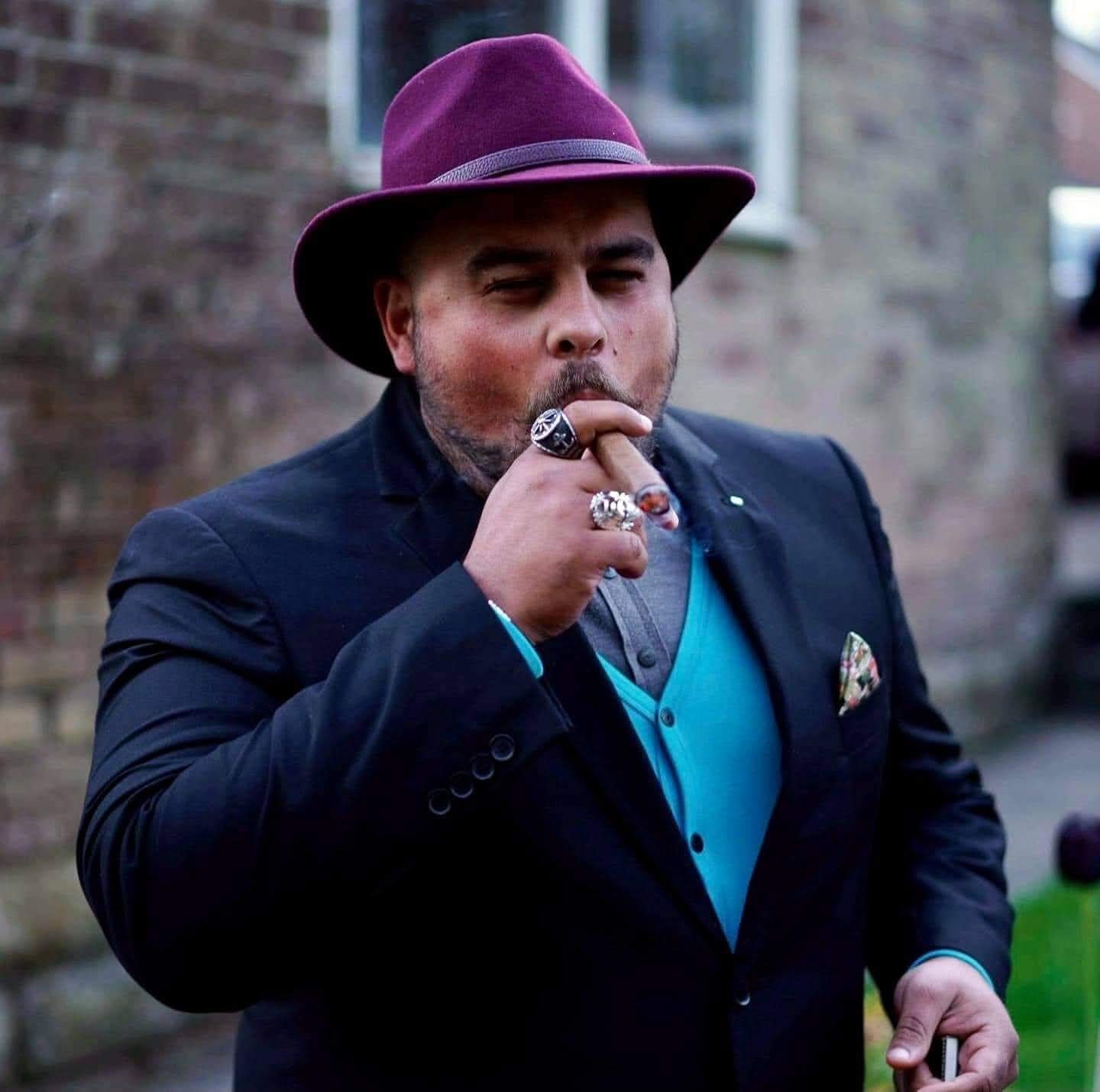
There's a significant distance between loving something and building a professional identity around it. When did passion become vocation — and what did that transition actually look like?
I think the shift began just before the COVID lockdowns. By that point I was already deeply involved on a personal level — attending events at local shops and lounges, meeting people in the community, and immersing myself in the culture. Whenever something captures my interest, I don't approach it casually; I dive in completely. I also started forming friendships across the cigar world. At events, I was usually the one asking the unusual or technical questions — the details behind fermentation, leaf selection, construction, and ageing. I remember meeting brand owners who assumed I worked in the industry and asking which company I represented. My answer was always the same: I didn't.
During the lockdown period, that reflection deepened. I began asking myself how I could become more involved and whether this passion could evolve into something more meaningful. That led me to formalise my knowledge: I completed cigar sommelier training and continued studying, not because I was already in the trade, but because I wanted to earn my place in it.
"I completed cigar sommelier training not because I was already in the trade, but because I wanted to earn my place in it."
You look at the cigar world through a wider lens than most — regulation, Cuban supply pressures, cultural shifts. What do you think most people in this world are missing right now?
When I look at the cigar world today, I see it through a lens that extends far beyond flavour, brands, or even tradition. We are entering a period of profound transition, and I believe the coming years will prove both complicated and defining for premium cigars. One of the most significant pressures comes from regulation. More countries are introducing legislation aimed at reducing tobacco consumption, yet cigars are still frequently grouped together with mass-market tobacco products. Premium cigars occupy a very different cultural and consumption space, and the industry's future depends in part on achieving clearer distinction and understanding.
At the same time, the situation in Cuba remains a pivotal factor. Production challenges, supply shortages, and structural difficulties have already altered availability and pricing. Shops historically centred on Cuban cigars are being forced to adapt, introducing customers to premium non-Cuban alternatives — and in doing so, expanding palates and redefining expectations. What I pay attention to most — and what I think many overlook — is how these external forces reshape culture. We are witnessing a moment where tradition and adaptation must coexist. For me, this is not a period of decline but of transformation.
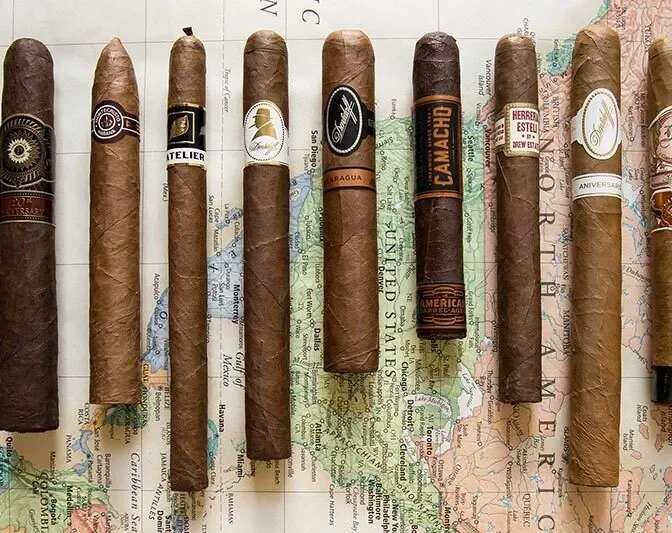
Walk us through how you actually read a cigar. From the moment it's in your hand to the final third — what are you paying attention to, and what separates a cigar that merely performs from one that genuinely communicates?
If I had to give the short answer, it would be simple: everything matters. A cigar begins communicating long before it is lit, and my role is to pay attention from the first moment it is in my hand to the final third. The process starts with appearance and tactile impression. I look at the wrapper for texture, colour consistency, and oil content, but equally important is how the cigar feels. Weight and density tell a story — whether it is underfilled, overly firm, or unevenly packed.
From a sensory standpoint, flavour evolution is one of the most important qualities I look for. Complexity is essential. I am not searching for a single dominant note repeated from start to finish — I want progression, transitions, and subtle shifts. Ideally, each third introduces nuance. That evolution keeps the smoker engaged and reveals the blender's intent. Aroma and retrohale are equally significant, often revealing layers the palate alone might miss. Ultimately, I read a cigar as a journey. Construction, combustion, complexity, balance, and finish all contribute to the narrative. When these elements align, the cigar becomes more than a smoke — it becomes an experience worth remembering.
"I am not searching for a single dominant note repeated from start to finish. I want progression, transitions, and subtle shifts."
You have spent time with both vintage cigars and contemporary blends. What is the real difference — not romantically, but structurally — and what does each one offer that the other cannot?
There are significant differences between vintage cigars and contemporary blends, but they are often misunderstood. The distinction is not simply nostalgia or romanticism — it is structural. One of the most profound qualities vintage cigars possess is integration. When a cigar has spent decades resting in a box, the tobaccos do not just age individually — they marry. The wrapper, binder, and filler gradually unify into a single, cohesive profile. Over time, sharp edges soften, transitions smooth out, and the blend becomes more harmonious. That deep unification is something modern cigars, no matter how well made, simply have not had time to achieve.
However, ageing is not automatically superior. Time changes a cigar — it does not guarantee improvement. Strength inevitably fades. Body becomes lighter. The real difference is not old versus new in terms of quality — it is maturity versus vitality. Modern blenders have access to broader tobacco inventories, experimental fermentation methods, and cross-origin blending philosophies that simply did not exist decades ago. In that sense, contemporary cigars can absolutely rival vintage experiences — just in a different language.
You are vocal about blind smoking and removing label bias. What is the real problem with how people approach boutique versus established houses — and what does a genuinely independent palate actually look like in practice?
The biggest issue I see is that many people do not truly give smaller producers a fair chance. Some smokers become loyal not to flavour, construction, or experience — but to the name on the band. They smoke the label. Even when they are no longer fully satisfied, they continue because heritage feels safer. That is why I often encourage blind smoking. Remove the band. Remove the expectation. Do not tell me who made it or what it costs. Just focus on the draw, the evolution, the aroma, the balance. When you take identity away, you discover how much perception influences judgement.
For me, heritage and boutique are not opposing forces. They are two different expressions of craftsmanship. The serious smoker's responsibility is to approach both without bias — and to judge with the palate, not the band.
You built your reputation on independence and honest assessment. Choosing to stand behind a brand publicly is a significant decision for someone in that position. What made Freud Cigar Co. the right house?
What convinced me to stand behind Freud was not a single cigar — it was alignment. Before any formal role was discussed, I approached the brand the same way I approach any cigar: critically. I smoked through the portfolio without context, without influence, just focusing on construction, balance, and evolution. What struck me immediately was intention. The blends were not chasing trends. They felt composed — layered, deliberate, and built with narrative in mind. Freud does not approach cigars as just products. There is a philosophical dimension behind the lines — the names, the structure, the conceptual identity. That resonated with me deeply because I have always believed cigars are not just about combustion; they are about psychology, ritual, and reflection.
I was also very conscious of my own reputation. I have built it on independence and honest assessment. I would never attach my name to something purely for position or title. The moment I realised I could speak about the cigars without compromise — that I genuinely enjoyed smoking them and could defend them technically — that is when the decision became clear. If I stand behind a house, it is because I would still smoke those cigars even if no one was watching.

You have watched experienced smokers make the same mistakes repeatedly. What are they — and why do habits this ingrained prove so difficult to break?
Most mistakes are not made from ignorance — they are made from habit. Even experienced smokers repeat small rituals that quietly sabotage the cigar, then blame the blend. The most common one is storage assumptions. People chase a number like it is religion — seventy percent — without thinking about consistency, temperature, or what that humidity actually does to draw and combustion. In reality, most cigars smoke their best in a steady, slightly lower band of humidity.
The second is pacing. Many smokers do not realise how sensitive a cigar is to heat. Puff too fast and you overcook the tobacco oils — the cigar gets hot, sharp, and bitter. It is not that the cigar turned bad; it is that the combustion got pushed out of its comfort zone. Then there is lighting technique. Rushing the light, skipping the toast, or blasting the foot too aggressively can set the cigar up for an uneven burn from the start. Slow down, toast properly, rotate, let the ember establish itself before you start judging flavour. And finally, the most subtle mistake: judging with the label instead of the palate. That is usually when people have the best realisation — the cigar did not change. Their approach did.
For an MGA reader building a collection with genuine intention — not just accumulating boxes — how do you think about constructing a cigar wardrobe? What does range, contrast, and evolution actually look like in practice?
I am a firm believer that variety is one of the foundations of a good life — and the same applies to building a cigar rotation. If someone wants to build a thoughtful collection, the first rule is simple: explore. Try as many different cigars as possible. Not randomly, but consciously. When you smoke something you truly enjoy, ask yourself why. Once you identify what resonates with you, research the blend — the country of origin, the wrapper type, the factory, the fermentation style. Then try something with similar characteristics.
A well-built cigar wardrobe should have contrast. Some stronger, full-bodied expressions. Some lighter, refined, elegant blends. Something spicy. Something creamy. Something bold. Something subtle. Mood plays a huge role in cigar enjoyment — a cigar that feels perfect on a summer afternoon may feel overwhelming late at night. I often compare it to clothing or food. We do not eat the same meal every day. We do not wear the same shoes to every occasion. A cigar wardrobe should be just as adaptable. In the end, a well-built rotation is not about quantity — it is about range, intention, and understanding your own evolution as a smoker.
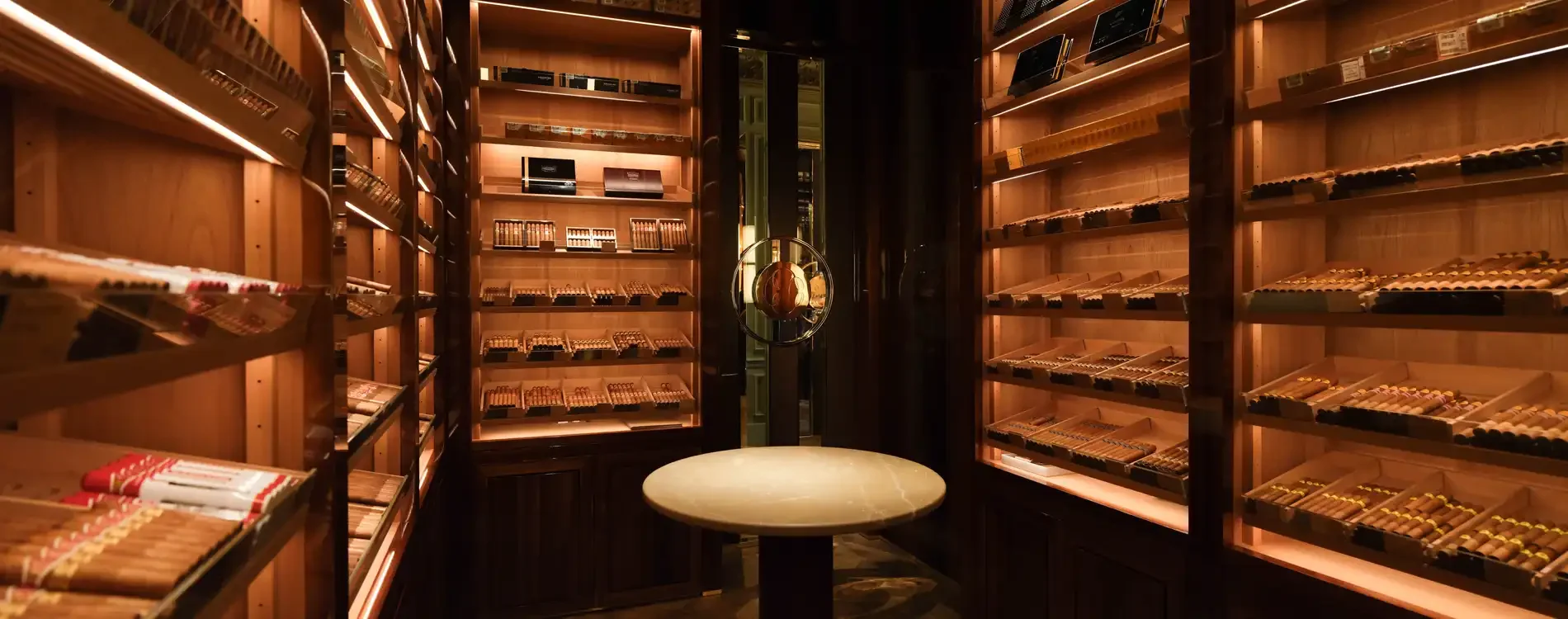
Last question. Modern Gentleman Archive is built around a specific idea — that a certain way of moving through the world still matters. What does being a modern gentleman mean to Ray Prodanov?
For me, being a modern gentleman has very little to do with appearances or old-fashioned stereotypes. It is more about awareness — how you treat people, how you carry yourself, and the respect you show for the world around you. A gentleman today understands that tradition still has value, but it has to coexist with openness and curiosity. It is about taking the best elements from the past — respect, patience, discipline, appreciation for craftsmanship — and applying them in a contemporary way.
Cigars fit naturally into that philosophy because they demand exactly those qualities. You cannot rush a cigar. It forces you to slow down, to create space for conversation, reflection, or simply a moment of calm. In a world that constantly pushes speed and distraction, that ritual becomes something meaningful. A cigar table is often one of the few places where hierarchy disappears and genuine dialogue begins.
"A cigar table is often one of the few places where hierarchy disappears and genuine dialogue begins."
Scotland, 2019 — The Evening That Changed Everything
It happened in 2019 at a very special event held in the ancestral castle of the Bruce family in Scotland — the lineage of Robert the Bruce. It was a remarkable gathering: several hundred guests, collectors, enthusiasts, and many well-known names from the cigar world.
During the event, Ray somehow ended up spending a large part of the day talking with Jonathan Drew. For Ray, he was — and still is — one of the most recognisable and influential personalities in the cigar world, but also an incredibly humble and approachable person. Their conversations moved across many topics: tobacco, fermentation, blending philosophy, the future of cigars.
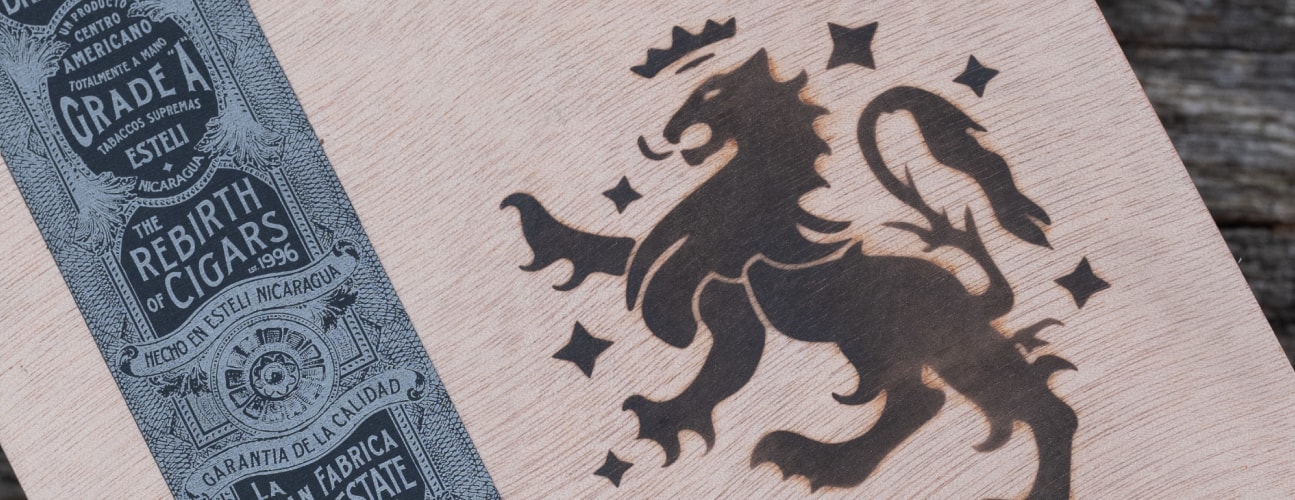
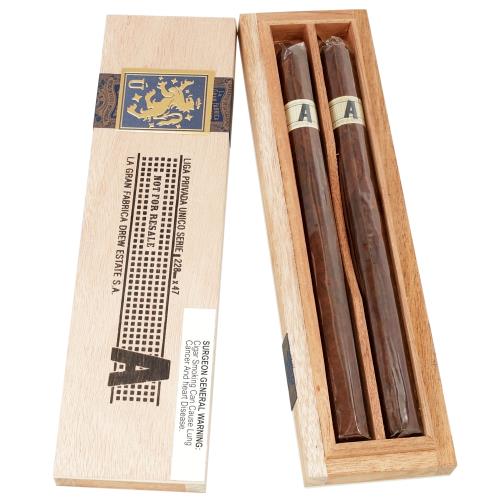
At some point Drew paused and asked a simple question: "Which company do you work for?" When Ray told him he was not working in the cigar industry at all, Drew looked genuinely surprised. He told him something that stayed: that the level of knowledge and curiosity Ray had was something many people in the industry spend decades trying to build, and that it would be a shame not to use it professionally. That conversation shifted something. Until that moment, cigars had been a deep passion — almost an obsession — but still just a personal pursuit. That evening they were smoking the Liga Privada A, an extremely rare cigar Drew handed to him during the gathering. Since that night, that cigar has always carried a different meaning. It was the moment when a passion began to feel like a possible path.


Access the Full Archive
Every interview, review, and editorial in the Modern Gentleman Archive — available in full to Premium members. Subscribe for unrestricted access to the complete collection.
Become an MGA Premium Member